


Anti High Liquid Temperature Pump
Chemical pumps play a crucial role in the chemical industry, used for transporting various chemical liquids, including corrosive, high-temperature, high-pressure, flammable, explosive and other difficult to handle media.
|
Motor horse |
0.015--3.7kw |
Input/Output Diameter |
14--30mm |
|
Voltage |
110/220/380v |
Output Phase |
Single or three phase |
|
Material |
PVC or stainless 304 |
Anti Item |
Chemical liquid |
|
Flow rate |
8--200L/min |
Warranty |
12 months |
|
Weight |
0.9--15kg |
HS CODE |
8414100020 |
|
Output RPM |
2/4/6/8P |
Customized design |
Accepted |
|
Working liquid temperature |
-15°C--80°C |
Specification |
Standard or Customized |
|
Protection Class |
IP68 |
Original |
China |
|
Duty |
S1 |
Brake |
Available |
Product Application Introduction:
Application scenarios of chemical pumps
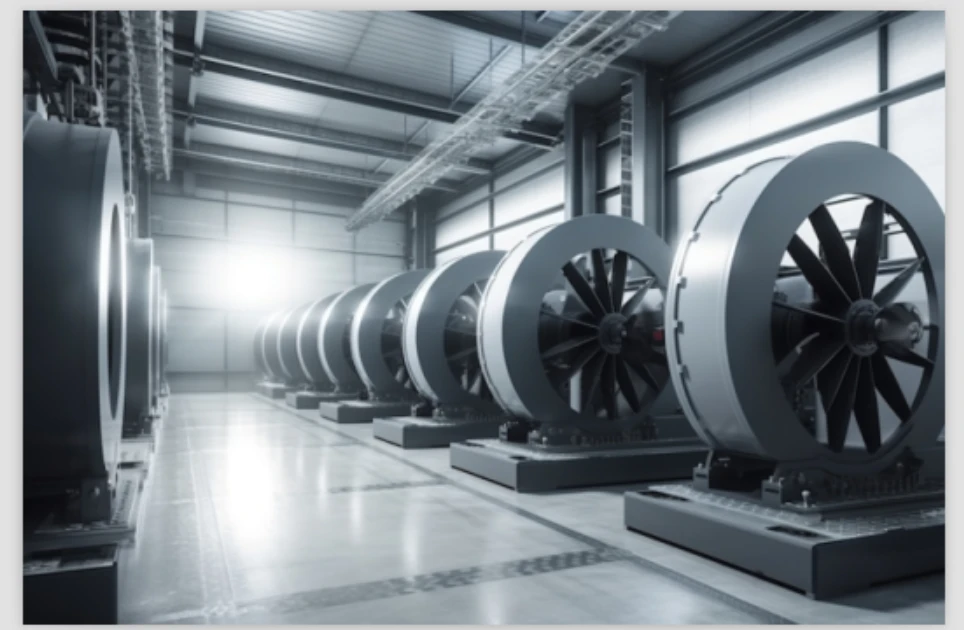
Chemical pumps are widely used in various fields and scenarios. The following are the main application scenarios of chemical pumps:
Chemical production: Chemical pumps play a crucial role in the chemical industry, used for transporting various chemical liquids, including corrosive, high-temperature, high-pressure, flammable, explosive and other difficult to handle media. These media may include acids, bases, salt solutions, organic solvents, etc. Chemical pumps are widely used in chemical process flows, such as feed pumps, reflux pumps, circulation pumps, flushing pumps, sewage pumps, etc., to ensure smooth production processes.
Petroleum industry: Chemical pumps are used to transport fluid media such as petroleum, refined oil, and natural gas, especially in every process link of refineries. Chemical pumps play a key role, such as raw material transportation, commodity separation, catalytic reactions, etc.

Metallurgy and Electricity: In the metallurgical industry, chemical pumps are used to transport corrosive liquids and high-temperature melts generated in various metallurgical industries. In the power industry, chemical pumps are used in power plant refrigeration systems, boiler water supply, and wastewater treatment.
Environmental protection and water treatment: Chemical pumps are also widely used in environmental protection, such as sludge pumping and clean water pumping in sewage treatment plants, used to raise water levels, transport treated clean water or recycled water, etc.


Agriculture and Irrigation: In the field of agriculture, chemical pumps can be used for agricultural irrigation, orchard drainage, etc., to provide necessary water for crops. Especially in arid or water scarce areas, the role of chemical pumps in agricultural irrigation is more important.
Fire protection and rescue: Chemical pumps are also very important in the field of fire protection applications, such as fire pumps used to transport high-pressure water flow to the fire scene for firefighting, as well as emergency rescue and natural disaster drainage tasks.

Other fields: Chemical pumps are widely used in industries such as pharmaceuticals, food processing, synthetic fibers, and environmental protection, especially in handling corrosive chemicals, high-temperature and high-pressure media, and situations requiring high-precision flow control. Their importance is even more prominent
Feature:
Chemical pumps have various significant characteristics, including corrosion resistance, temperature resistance, wear resistance, etc., which can adapt to various chemical process requirements. Chemical pumps are usually made of materials such as stainless steel, polytetrafluoroethylene (PTFE), high-density polyethylene (HDPE), etc. These materials can effectively resist the erosion of corrosive liquids such as acid, alkali, and organic matter, extending the service life of the pump. In addition, chemical pumps can work normally in both high and low temperature environments, with stable design, reliable operation, and the ability to work continuously for a long time, ensuring the continuity and stability of production.
1.The corrosion resistance of chemical pumps makes them an ideal choice for transporting various corrosive liquids, such as sulfuric acid, hydrochloric acid, sodium hydroxide, and other highly corrosive media. It has high transmission efficiency and uses specially designed overcurrent components to increase output pressure and flow rate, reduce energy consumption, and improve the operational efficiency of the entire chemical production system. At the same time, chemical pumps have high safety and reliability, and their design takes into account factors such as avoiding leaks and preventing explosions. They are equipped with automatic protection devices to ensure safe operation.
2.The sealing performance of chemical pumps is excellent, using advanced sealing technology to achieve no or minimal leakage, ensuring safe operation. It has a compact structure, is easy to install and maintain, and is widely used in industries such as petroleum, chemical, pharmaceutical, food processing, metallurgy, etc. It is used to transport various corrosive or non polluting media
Material:
Common materials for chemical pumps include cast iron, stainless steel, carbon structural steel, alloy steel, non-metallic materials, etc. These materials each have their own advantages and disadvantages, and are suitable for different working conditions and environments.
Common materials and their characteristics
1.Cast iron: Grey cast iron is the most commonly used cast iron material, suitable for the pump body, impeller, pump cover and other components of clean water pumps. Ductile iron is often used as a substitute for cast steel due to its mechanical properties being similar to steel
2.Stainless steel: Austenitic stainless steel (such as 304, 316) is a commonly used corrosion-resistant material, especially suitable for most chemical media. High alloy stainless steel and duplex stainless steel are also ideal corrosion-resistant materials
3.Carbon structural steel: divided into ordinary carbon structural steel and high-quality carbon structural steel, suitable for environments with general requirements
4.Alloy steel: such as 40Cr, suitable for high-strength pump shafts
5.Non metallic materials, such as polytetrafluoroethylene (PTFE), fluororubber, nitrile rubber, etc., are mainly used for sealing and have excellent corrosion and high temperature resistance properties
The application of different materials in specific media
1Hydrochloric acid: The vast majority of metal materials are not resistant to hydrochloric acid corrosion, and non-metallic materials such as polypropylene and fluoroplastics are the best choices
2.Sulfuric acid: For concentrated sulfuric acid with a concentration of over 80% and a temperature below 80 ℃, carbon steel and cast iron have good corrosion resistance, but the effect of ordinary stainless steel is limited. Fluoroplastics such as F46 have good sulfuric acid resistance and are an economical choice
3.Nitric acid: Stainless steel, especially those containing molybdenum (such as 316, 316L), has good corrosion resistance to nitric acid. High temperature nitric acid is more suitable for fluoroplastic alloy materials
4.Alkali (sodium hydroxide): Ordinary steel is a commonly used material, but for high-temperature alkaline solutions, titanium and titanium alloys or high alloy stainless steel are better choices
5.Acetic acid: Stainless steel is an excellent material resistant to acetic acid. High alloy stainless steel or fluoroplastic pumps can be selected for high-temperature, high concentration acetic acid or other corrosive media
Factors influencing material selection
When choosing materials for chemical pumps, the following points should be considered:
5.Chemical compatibility: The material of the pump must be compatible with the conveying medium to avoid corrosion and chemical reactions
Wear resistance: Some media cause significant wear on the pump, and wear-resistant materials need to be selected
6.Temperature and pressure: Different materials have different tolerance to temperature and pressure, and should be selected according to actual working conditions
Company Services:
We are a techlogy-based factory specializing in the AC/DC Motor production and trade of them.
At present, there are more than 25 years of company history and export experience.We cooperate with many well-known brand companies such as Medias,Bosch..
Professional customized one-stop optical solutions, including technical support, product customization and after-sales service. Through sustainable business operations in many countries and regions around the world, we provide technological innovation, supply chain and manufacturing solutions, and end-market product matching for various industries. Provide professional engineers and business teams, standardized mechanical equipment, controllable product quality, fast production speed, and efficient service feedback.
RFQ:
Q: Whether your magnetic pump can work during 80°C liquid ?
A: Yes.
Q: Whether your pump can work 24 hours a day?
A: Yes.
Q: How long is your pump life span?
A: If you use properly, 5-8 yeas is no problem.
Q: Whether your pump can use food grade 304 stainless material.
A: Yes, but price is a little expensive
Hot Tags: anti high liquid temperature pump, China anti high liquid temperature pump manufacturers, factory, Chemical Liquid Pump, PVC Chemical Magnetic Pump, Anti corrosion Stainless Pump, Food Grade Stainless Pump, Corrosion liquid Proof Magnetic Pump, Anti High Liquid Temperature Pump


Send Inquiry
