

How to control the zoom function of a camera with a DC motor?
May 22, 2025
Controlling the zoom function of a camera with a DC motor is an intriguing technical challenge that combines the precision of optics with the reliability of electromechanical systems. As a DC motor supplier, I've witnessed firsthand the transformative potential of these motors in various applications, including camera zoom control. In this blog post, I'll delve into the technical aspects of using a DC motor for camera zoom, discuss the types of DC motors suitable for this purpose, and provide insights on how to implement an effective control system.
Understanding the Basics of Camera Zoom and DC Motors
Camera zoom is a critical feature that allows users to adjust the focal length of the lens, bringing subjects closer or expanding the field of view. Traditionally, zoom functions were manually controlled by rotating a ring on the lens. However, with the advancement of technology, motorized zoom systems have become increasingly popular, offering greater convenience and precision.
DC motors are ideal for camera zoom applications due to their compact size, high torque-to-weight ratio, and ease of control. They can be precisely regulated to provide smooth and accurate zoom adjustments, making them a preferred choice for many camera manufacturers.
Types of DC Motors for Camera Zoom
There are several types of DC motors available, each with its own characteristics and suitability for camera zoom applications. As a DC motor supplier, I offer a wide range of options to meet different requirements.
- DC Carbon Brushed Motor: This type of motor is one of the most common and cost-effective options. It consists of a rotating armature and stationary brushes that make contact with the commutator, providing electrical power to the motor. DC carbon brushed motors are known for their simplicity, high starting torque, and easy control. You can find more information about our DC Carbon Brushed Motor on our website.
- DC Brushless Rolling Door Motor with Drive: Although originally designed for rolling door applications, these motors can also be adapted for camera zoom control. They offer several advantages, including higher efficiency, longer lifespan, and reduced maintenance requirements. The integrated drive system allows for precise speed and torque control, making them suitable for applications that require smooth and accurate movement. Check out our DC Brushless Rolling Door Motor with Drive for more details.
- Braked DC Brushless Motor: For applications that require precise positioning and holding, a braked DC brushless motor is an excellent choice. These motors feature an integrated brake system that can be activated to hold the motor in place when power is removed. This is particularly useful in camera zoom systems, where the lens needs to be held at a specific position without drifting. Learn more about our Braked DC Brushless Motor on our website.
Implementing a DC Motor Control System for Camera Zoom
Once you've selected the appropriate DC motor for your camera zoom application, the next step is to implement a control system that can accurately regulate the motor's speed and direction. Here are the key components and steps involved in setting up a control system:
1. Motor Driver
A motor driver is an essential component that provides the necessary power and control signals to the DC motor. It converts the low-power control signals from the microcontroller into high-power signals that can drive the motor. There are several types of motor drivers available, including H-bridge drivers, which allow for bidirectional control of the motor.
2. Microcontroller
A microcontroller is the brain of the control system, responsible for generating the control signals based on user input or predefined algorithms. It can be programmed to control the speed, direction, and acceleration of the motor, as well as to implement additional features such as position feedback and limit switches.
3. Position Feedback Sensor
To ensure accurate and precise zoom control, it's important to have a position feedback sensor that can provide information about the current position of the motor. This can be achieved using a variety of sensors, such as encoders, potentiometers, or Hall effect sensors. The position feedback signal is sent back to the microcontroller, which uses it to adjust the motor's speed and direction accordingly.
4. Control Algorithm
The control algorithm is the set of instructions that the microcontroller uses to control the motor. There are several types of control algorithms available, including proportional-integral-derivative (PID) control, which is commonly used for precise speed and position control. The control algorithm can be tuned to optimize the performance of the motor based on the specific requirements of the camera zoom application.
Design Considerations for Camera Zoom Control
When designing a DC motor control system for camera zoom, there are several important considerations to keep in mind:
1. Precision and Smoothness
Camera zoom requires precise and smooth movement to ensure high-quality images. The control system should be designed to minimize vibrations and jerks, and to provide accurate and consistent zoom adjustments.

2. Noise and Vibration
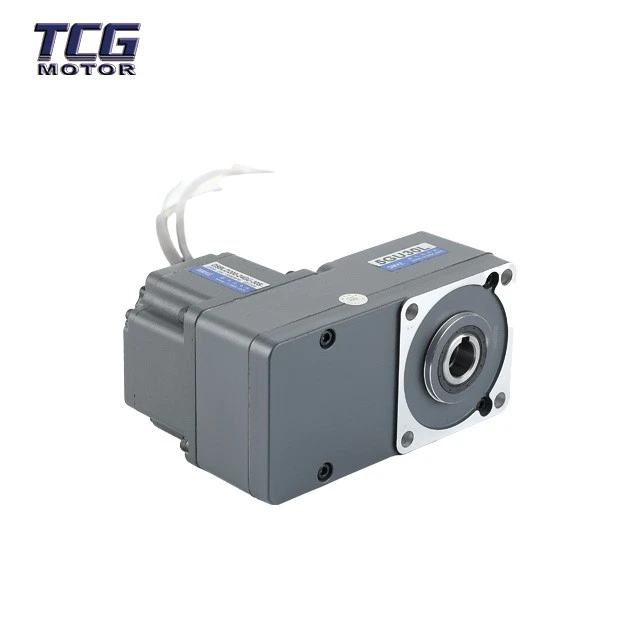
DC motors can generate noise and vibration during operation, which can affect the performance of the camera. It's important to select a motor and control system that minimize noise and vibration, and to use appropriate mounting and damping techniques to isolate the motor from the camera.
3. Power Consumption
Camera systems are often battery-powered, so it's important to minimize power consumption to extend the battery life. The control system should be designed to operate the motor efficiently, using only the necessary power to achieve the desired zoom adjustments.
4. Compatibility
The DC motor and control system should be compatible with the camera's existing electronics and mechanical design. This includes ensuring that the motor's size, weight, and mounting configuration are suitable for the camera, and that the control signals are compatible with the camera's control interface.
Conclusion
Controlling the zoom function of a camera with a DC motor is a complex but rewarding technical challenge. By selecting the appropriate DC motor, implementing a reliable control system, and considering the design requirements of the camera, you can achieve precise and smooth zoom adjustments that enhance the performance and functionality of the camera.
As a DC motor supplier, I'm committed to providing high-quality motors and technical support to help you achieve your camera zoom control goals. Whether you're a camera manufacturer, a hobbyist, or a professional photographer, I can offer the expertise and products you need to create a successful camera zoom system.
If you're interested in learning more about our DC motors or discussing your specific camera zoom application, please don't hesitate to contact us. We look forward to working with you to develop a customized solution that meets your needs.
References
- Dorf, R. C., & Bishop, R. H. (2016). Modern Control Systems. Pearson.
- Franklin, G. F., Powell, J. D., & Emami-Naeini, A. (2015). Feedback Control of Dynamic Systems. Pearson.
- Johnson, R. A. (2013). Electric Machinery Fundamentals. McGraw-Hill Education.