

How to measure the speed of an Eot Crane Motor?
Apr 27, 2026
Hey there! I'm an Eot Crane Motor supplier. Today, I'm gonna share with you how to measure the speed of an Eot Crane Motor. Understanding the motor speed is super important for the operation and maintenance of the crane. It helps ensure the crane works at its best and keeps things running smoothly.
Understanding the Basics of Eot Crane Motors
First off, let's talk a bit about Eot Crane Motors. These motors are the heart of electric overhead traveling (EOT) cranes. They're responsible for moving the crane, lifting heavy loads, and making sure everything functions as it should. You can check out more about Eot Crane Motor to get a better idea of what they are and how they work.
The speed of an Eot Crane Motor can vary depending on different factors. For example, the load it's carrying, the type of crane, and the specific requirements of the job site all play a role. Measuring the speed accurately helps us optimize the crane's performance and prevent any potential issues.
Why Measuring the Speed Matters
Measuring the speed of an Eot Crane Motor is crucial for several reasons. Firstly, it helps in ensuring safety. If the motor is running too fast or too slow, it can lead to instability in the crane's operation. This could result in accidents, damage to the crane, or harm to the workers on the site.
Secondly, it's important for efficiency. A motor running at the right speed can lift and move loads more efficiently, saving time and energy. This, in turn, can reduce operational costs for the users.
Lastly, measuring the speed helps with maintenance. By monitoring the speed over time, we can detect any changes that might indicate a problem with the motor. Early detection of issues can prevent costly breakdowns and extend the lifespan of the motor.
Methods to Measure the Speed of an Eot Crane Motor
Tachometer Method
One of the most common ways to measure the speed of an Eot Crane Motor is by using a tachometer. A tachometer is a device that measures the rotational speed of a shaft. It can be either contact or non - contact.
Contact tachometers work by physically touching the motor shaft. They have a probe that attaches to the shaft, and as the shaft rotates, the tachometer measures the number of revolutions per minute (RPM). This method is quite accurate but requires the motor to be stopped or at least slowed down enough to safely attach the tachometer.
Non - contact tachometers, on the other hand, use infrared or laser technology to measure the RPM without touching the shaft. They're really useful because they can measure the speed while the motor is running at full speed. You simply point the tachometer at a reflective marker on the shaft, and it gives you an accurate reading.
Encoder Method
Another way to measure the speed is by using an encoder. An encoder is a device that converts motion into an electrical signal. There are two main types: incremental encoders and absolute encoders.
Incremental encoders generate a series of pulses as the motor shaft rotates. By counting these pulses over a specific period of time, we can calculate the speed of the motor. They're relatively simple and cost - effective, making them a popular choice for many applications.
Absolute encoders, on the other hand, provide a unique digital code for each position of the motor shaft. This allows us to determine the exact position and speed of the shaft at any given time. They're more accurate and reliable but also more expensive than incremental encoders.
Frequency Measurement
If the Eot Crane Motor is a variable - frequency drive (VFD) motor, we can measure the speed by looking at the frequency of the electrical supply. The relationship between the frequency and the speed of the motor is linear. By measuring the frequency of the power supply to the motor, we can calculate the speed using a simple formula.
The formula for calculating the speed (N) of an AC motor is (N=\frac{120f}{p}), where (f) is the frequency of the power supply and (p) is the number of poles in the motor.
Factors Affecting the Accuracy of Speed Measurement
When measuring the speed of an Eot Crane Motor, there are several factors that can affect the accuracy of the measurement.
Environmental Conditions
The environment where the crane is operating can have a big impact. For example, dust, dirt, and moisture can interfere with the operation of the measuring device. If the tachometer or encoder is covered in dust, it might give inaccurate readings.
Mechanical Issues
Mechanical problems in the motor or the crane can also affect the speed measurement. Things like worn - out bearings, misaligned shafts, or loose belts can cause the motor to run at an inconsistent speed. This can lead to inaccurate measurements and make it harder to diagnose any potential issues.
Electrical Interference
Electrical interference from other equipment in the area can also cause problems. If there are other motors, generators, or electrical devices nearby, they can generate electromagnetic fields that interfere with the measuring device. This can result in false readings and make it difficult to get an accurate measurement of the motor speed.
How We, as a Supplier, Can Help
As an Eot Crane Motor supplier, we understand the importance of accurate speed measurement. We can provide you with high - quality motors that are designed to operate at a consistent speed. Our motors are built with precision and are tested thoroughly to ensure they meet the highest standards.
We also offer a range of measuring tools and equipment to help you measure the speed of your Eot Crane Motor. Whether you need a tachometer, an encoder, or other related devices, we've got you covered. You can also explore Motor Crane Machine and Large Engine Crane on our website to see more of our products.

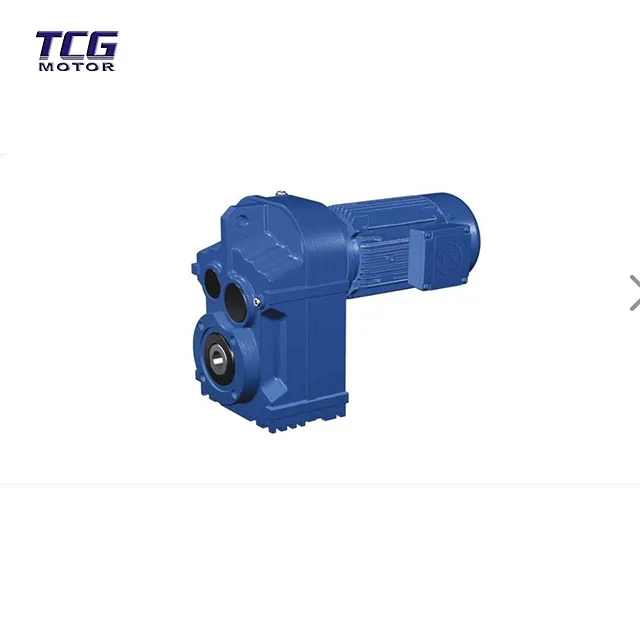
If you're having any issues with measuring the speed of your motor or if you need advice on which method is best for your specific application, our team of experts is here to help. We can provide you with technical support and guidance to ensure you get accurate results.
Conclusion
Measuring the speed of an Eot Crane Motor is an important part of ensuring the safe and efficient operation of the crane. By using the right methods and tools, and by being aware of the factors that can affect the accuracy of the measurement, you can keep your motor running smoothly and avoid any potential problems.
If you're in the market for an Eot Crane Motor or need any related products or services, don't hesitate to get in touch. We're here to help you with all your crane motor needs. Whether you're a small - scale operation or a large industrial facility, we can provide you with the solutions you need to keep your business moving.
References
- Electrical Engineering Handbook, Third Edition, edited by Richard C. Dorf
- Industrial Motor Control, by Thomas L. Floyd