

What is the cost of an AC motor?
Dec 11, 2025
When it comes to understanding the cost of an AC motor, there are numerous factors at play that can significantly influence the price tag. As an AC motor supplier, I've witnessed firsthand how these elements interact to determine the final cost for our customers. In this blog post, I'll delve into the various aspects that contribute to the cost of an AC motor, providing you with a comprehensive understanding of what goes into pricing these essential pieces of equipment.
Motor Type and Design
One of the primary factors affecting the cost of an AC motor is its type and design. AC motors come in a variety of configurations, each tailored to specific applications and performance requirements. For instance, single - phase AC motors are typically used in smaller, less demanding applications such as household appliances. They are generally more affordable due to their simpler design and lower power requirements.
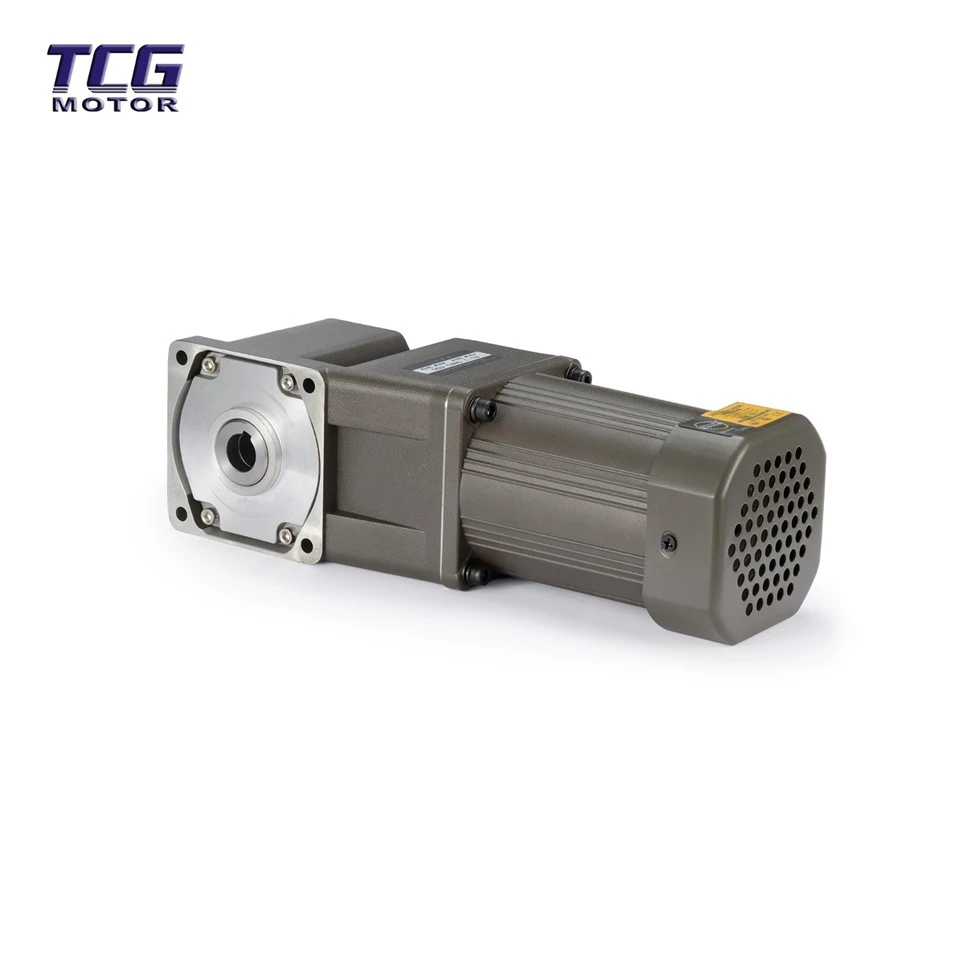

On the other hand, three - phase AC motors are commonly found in industrial settings where high power and efficiency are crucial. These motors are more complex in design, with multiple windings and a more sophisticated control system. As a result, they tend to be more expensive than single - phase motors. Additionally, the design of the motor, including its size, shape, and the materials used in its construction, can also impact the cost. Motors with a more compact design, like the Compact Ac Gear Motor, may require more advanced manufacturing techniques and higher - quality materials, which can drive up the price.
Power Rating
The power rating of an AC motor is another critical factor in determining its cost. Power is measured in horsepower (HP) or kilowatts (kW), and generally, the higher the power rating, the more expensive the motor. This is because motors with higher power ratings need to be built with larger components, such as thicker copper windings and more substantial magnetic cores, to handle the increased electrical current and mechanical stress.
For example, a small 1/4 HP AC motor used in a low - power application like a fan may cost significantly less than a 100 HP motor used in an industrial conveyor system. The larger motor requires more raw materials, more advanced manufacturing processes, and more rigorous testing to ensure its reliability and performance. If you're in the market for a lower - power motor, you might consider the 40w Ac Small Motor, which offers a cost - effective solution for applications with modest power requirements.
Efficiency
Efficiency is a key consideration when it comes to the cost of an AC motor. An efficient motor consumes less electrical energy to produce the same amount of mechanical power, resulting in lower operating costs over its lifespan. However, achieving high efficiency often requires the use of advanced materials and manufacturing techniques, which can increase the initial purchase price.
Motors with higher efficiency ratings, such as those that meet or exceed the NEMA Premium efficiency standards, are designed to minimize energy losses due to factors like heat generation and magnetic hysteresis. While these motors may cost more upfront, the long - term savings on energy bills can offset the initial investment. As an AC motor supplier, I often recommend that customers consider the total cost of ownership, which includes both the purchase price and the operating costs over the motor's lifetime, when evaluating different motor options.
Brand and Quality
The brand and quality of an AC motor can also have a significant impact on its cost. Well - established brands with a reputation for reliability and high - performance often command a premium price. These brands invest heavily in research and development, quality control, and customer support, which translates into a more reliable and durable product.
A high - quality motor is less likely to break down, reducing the risk of costly downtime and maintenance. Additionally, it may come with a longer warranty, providing peace of mind for the customer. While it may be tempting to opt for a cheaper, lesser - known brand, it's important to weigh the potential savings against the risk of purchasing a motor that may not meet your performance or reliability requirements. At our company, we offer a range of high - quality AC motors from trusted brands, ensuring that our customers get the best value for their money.
Availability and Surplus
The availability of an AC motor can also affect its cost. If a particular motor is in high demand and short supply, the price may increase due to market forces. Conversely, if there is an oversupply of a certain motor model, suppliers may offer it at a discounted price to clear their inventory.
For example, our Ac Gear Motor Surplus section features motors that are available at reduced prices due to excess inventory. These motors are still in excellent condition and meet our high - quality standards, making them a great option for customers looking for a cost - effective solution. However, it's important to note that surplus motors may have limited availability, so it's advisable to act quickly if you find a suitable model.
Additional Features and Accessories
Some AC motors come with additional features and accessories that can add to the cost. For example, a motor with a built - in speed controller or a variable frequency drive (VFD) allows for more precise control of the motor's speed and torque, which can be beneficial in applications where variable speed operation is required. However, these additional features require more complex electronics and programming, increasing the overall cost of the motor.
Other accessories, such as mounting brackets, couplings, and enclosures, can also contribute to the total cost. While these components may seem like minor add - ons, they are essential for proper installation and operation of the motor. When evaluating the cost of an AC motor, it's important to consider whether these additional features and accessories are necessary for your specific application.
Market Conditions
Finally, market conditions, such as fluctuations in raw material prices, currency exchange rates, and global economic trends, can also impact the cost of an AC motor. The price of copper, which is a key component in motor windings, can vary significantly depending on market demand and supply. Similarly, changes in the cost of steel, aluminum, and other materials used in motor construction can affect the overall cost of the product.
Currency exchange rates can also play a role, especially for motors that are imported or exported. A strong or weak currency can make a motor more or less expensive for customers in different regions. As an AC motor supplier, we closely monitor these market conditions to ensure that we can offer our customers competitive prices while maintaining the quality of our products.
In conclusion, the cost of an AC motor is determined by a complex interplay of factors, including motor type and design, power rating, efficiency, brand and quality, availability, additional features, and market conditions. As a supplier, we understand that every customer has unique requirements and budget constraints. That's why we offer a wide range of AC motors to suit different applications and price points. Whether you're looking for a compact and affordable motor or a high - performance, energy - efficient solution, we can help you find the right motor for your needs.
If you're interested in learning more about our AC motor products or would like to discuss your specific requirements, I encourage you to reach out to us. Our team of experts is ready to assist you in selecting the most suitable motor and providing you with a competitive quote. Don't hesitate to contact us for a procurement discussion, and let's find the perfect AC motor solution for your business.
References
- "Electric Motors and Drives: Fundamentals, Types, and Applications" by Austin Hughes and Bill Drury.
- NEMA Standards Publication MG 1 - 2016, Motors and Generators.
- IEEE Standards for Electric Motors and Generators.