

What is the electromagnetic interference of an AC motor?
May 21, 2025
Hey there! As an AC motor supplier, I've been getting a lot of questions lately about electromagnetic interference (EMI) in AC motors. So, I thought I'd take a moment to break it down and explain what it is, why it matters, and how we can deal with it.
First off, let's talk about what electromagnetic interference actually is. In simple terms, EMI is the disruption of the normal operation of an electronic device or system due to the presence of electromagnetic fields. These fields can be generated by a variety of sources, including other electronic devices, power lines, and even natural phenomena like lightning.
When it comes to AC motors, EMI can be a real headache. You see, AC motors work by using alternating current to create a rotating magnetic field, which in turn drives the motor shaft. However, this process also generates electromagnetic fields that can interfere with other electronic devices in the vicinity. This interference can manifest in a variety of ways, such as electrical noise, signal distortion, and even complete system failure.
So, why does EMI matter? Well, for starters, it can cause a lot of problems for other electronic devices in the same environment as the AC motor. For example, if you have a sensitive electronic control system near an AC motor, the EMI generated by the motor could cause the control system to malfunction. This could lead to inaccurate readings, erratic behavior, and even safety hazards.
In addition to causing problems for other electronic devices, EMI can also have a negative impact on the performance and lifespan of the AC motor itself. The electromagnetic fields generated by the motor can cause electrical losses, which can lead to increased energy consumption and reduced efficiency. Over time, these losses can also cause the motor to overheat, which can damage the insulation and other components of the motor, leading to premature failure.
Now that we know what EMI is and why it matters, let's talk about how we can deal with it. There are several different strategies that can be used to reduce or eliminate EMI in AC motors, and the best approach will depend on the specific application and the level of interference that needs to be addressed.
One of the most common ways to reduce EMI in AC motors is to use shielding. Shielding involves placing a conductive material, such as copper or aluminum, around the motor to block the electromagnetic fields from escaping. This can be done by wrapping the motor in a shielded enclosure or by using shielded cables to connect the motor to the power source and other components.
Another strategy for reducing EMI in AC motors is to use filters. Filters are electronic devices that are designed to remove unwanted frequencies from the electrical signal. By installing filters on the power supply and control circuits of the AC motor, we can reduce the amount of EMI that is generated and transmitted to other parts of the system.
In addition to shielding and filtering, there are also several other techniques that can be used to reduce EMI in AC motors. For example, we can use low-EMI components, such as capacitors and inductors, in the motor's design. We can also use proper grounding techniques to ensure that the motor is electrically isolated from other components in the system.
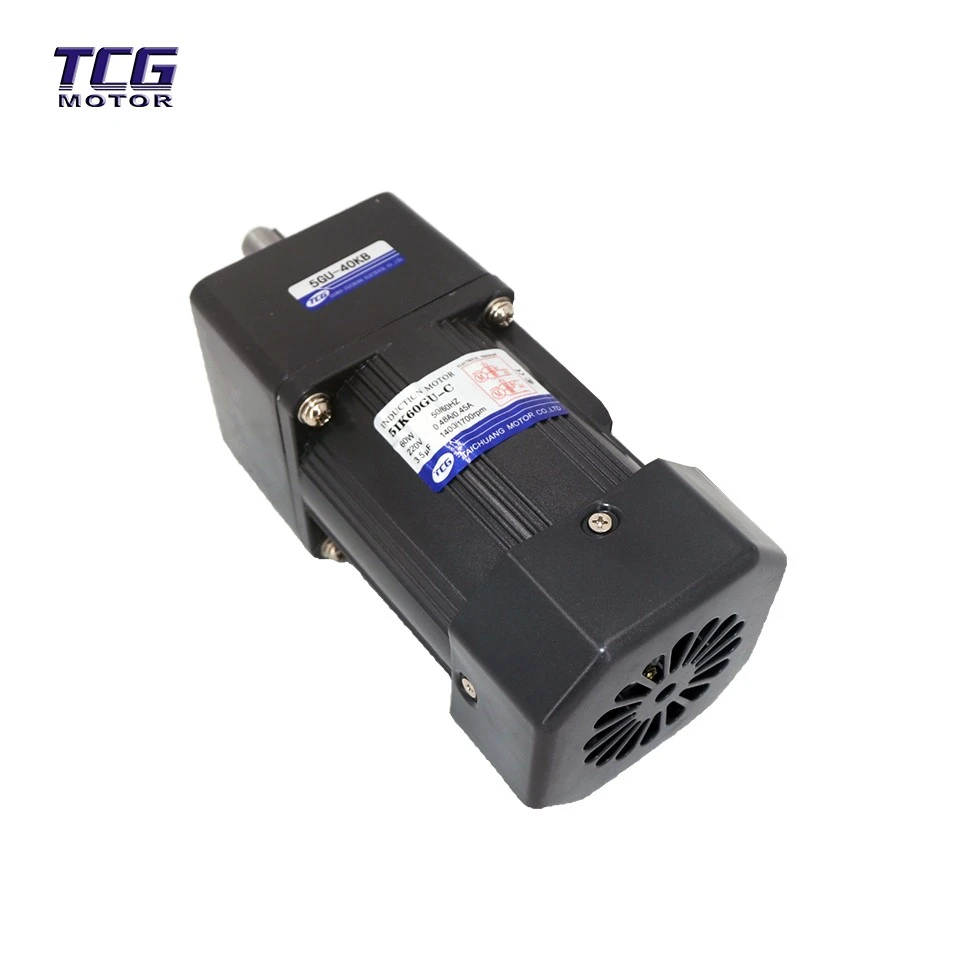
At our company, we take EMI very seriously. That's why we offer a wide range of AC motors that are designed to minimize electromagnetic interference. Our Ac Gear Motor 60 Rpm is a great example of a motor that has been engineered to reduce EMI. It features a high-quality design and construction that helps to minimize the generation of electromagnetic fields, making it ideal for use in sensitive electronic environments.
Another product that we offer is our Small Body Ac Motor. This motor is designed to be compact and lightweight, making it perfect for use in applications where space is limited. Despite its small size, it still delivers high performance and reliability, and it has been specifically designed to reduce EMI.
Finally, we also offer a range of Small Ac Gearmotors that are designed to provide high torque and low speed operation. These motors are ideal for use in applications such as conveyor systems, robotics, and automation equipment, and they have been engineered to minimize electromagnetic interference.
In conclusion, electromagnetic interference is a serious issue that can have a significant impact on the performance and reliability of AC motors. However, by using the right strategies and techniques, we can reduce or eliminate EMI and ensure that our motors operate smoothly and efficiently. If you're in the market for an AC motor and you're concerned about EMI, I encourage you to contact us. We'd be happy to discuss your specific needs and help you find the right motor for your application.

References
- "Electromagnetic Interference in Electric Motors," IEEE Transactions on Electromagnetic Compatibility.
- "Reducing Electromagnetic Interference in AC Motors," Electrical Engineering Magazine.
- "The Effects of Electromagnetic Interference on Electronic Devices," Journal of Electronic Systems.