

What is the impact of voltage fluctuations on an air blower motor?
Apr 30, 2026
Hey there! As an air blower motor supplier, I've seen firsthand how voltage fluctuations can mess with these motors big time. In this blog, I'll dig into the impact of voltage fluctuations on air blower motors and why it's super important to keep an eye on this stuff.
How Voltage Fluctuations Happen
Before we talk about the impact, let's understand how voltage fluctuations occur. There are a bunch of reasons for this. Sometimes, it's due to the power grid itself. When there's a high demand for electricity in your area, like during hot summer days when everyone's running their air - conditioners, the voltage might drop. On the flip side, sudden large - scale shutdowns of industrial equipment can cause a voltage spike.
Another culprit could be problems in the local electrical wiring. Faulty connections, old wires, or even damage to the electrical infrastructure can lead to inconsistent voltage reaching your air blower motor. External factors like lightning strikes can also cause momentary but extreme voltage fluctuations that can severely affect the motor.
Impact of Voltage Fluctuations on Air Blower Motors
1. Overheating
When the voltage supplied to an air blower motor is higher than the rated voltage, the motor will draw more current. According to Ohm's Law (V = IR, where V is voltage, I is current, and R is resistance), if the voltage goes up and the resistance of the motor's windings remains relatively constant, the current will increase. This extra current flowing through the motor's windings generates more heat.
Overheating can be a real nightmare for the motor. It can cause the insulation around the windings to break down over time. Once the insulation is damaged, it can lead to short - circuits within the motor, which can eventually render the motor completely useless. And let me tell you, replacing a damaged motor is not only costly but also a hassle.
2. Reduced Efficiency
Voltage fluctuations can make the air blower motor operate less efficiently. When the voltage is too low, the motor may struggle to reach its normal operating speed. This means it has to work harder to move the same amount of air as it would under normal voltage conditions. As a result, the motor consumes more energy to produce the same output, which is a big no - no in terms of energy efficiency.
Lower efficiency also means more wear and tear on the motor components. The bearings, for example, have to work harder when the motor is running at a lower - than - optimal speed, leading to faster degradation and potentially early failure of these parts.
3. Mechanical Stress
Both high and low voltage can subject the motor to mechanical stress. High voltage can cause the motor to spin at a speed higher than its design limit. This excessive speed can create vibrations that put stress on the motor's shaft, bearings, and other mechanical parts.
On the other hand, low voltage can cause the motor to stall or not start properly. When the motor tries to start but fails due to insufficient voltage, it strains the starting mechanism and the rest of the motor. Repeated stalling can damage the mechanical components and reduce the overall lifespan of the motor.
4. Shorter Lifespan
All the issues we've discussed - overheating, reduced efficiency, and mechanical stress - add up to one thing: a shorter lifespan for the air blower motor. Motors are designed to operate within a specific voltage range. When they're constantly exposed to voltage fluctuations, they're like athletes being pushed beyond their limits day in and day out.
The constant stress on the motor's electrical and mechanical components will cause them to wear out faster. Instead of lasting for several years under normal operating conditions, the motor might start showing signs of failure within a much shorter period. This is bad news for both consumers and businesses that rely on air blower motors for their operations.
Protecting Air Blower Motors from Voltage Fluctuations
As a supplier, I always recommend taking steps to protect air blower motors from voltage fluctuations. One of the most effective ways is to use voltage stabilizers. These devices can monitor the incoming voltage and adjust it to a stable level before it reaches the motor. They act as a buffer between the power source and the motor, ensuring that the motor always receives a consistent voltage.
Another option is to install surge protectors. Surge protectors are great for safeguarding the motor against sudden voltage spikes, like those caused by lightning strikes. They divert the excess voltage to the ground, preventing it from reaching the motor and causing damage.
Regular maintenance is also key. Checking the electrical connections, inspecting the wiring for any signs of damage, and lubricating the motor's moving parts can help ensure that the motor operates smoothly and is more resilient to voltage fluctuations.
Our Product Offerings
At our company, we offer a wide range of high - quality air blower motors. Whether you're looking for an Air Conditioner Blower Motor for your home air - conditioning system or an Air Cooler Blower Motor for an industrial cooling application, we've got you covered.

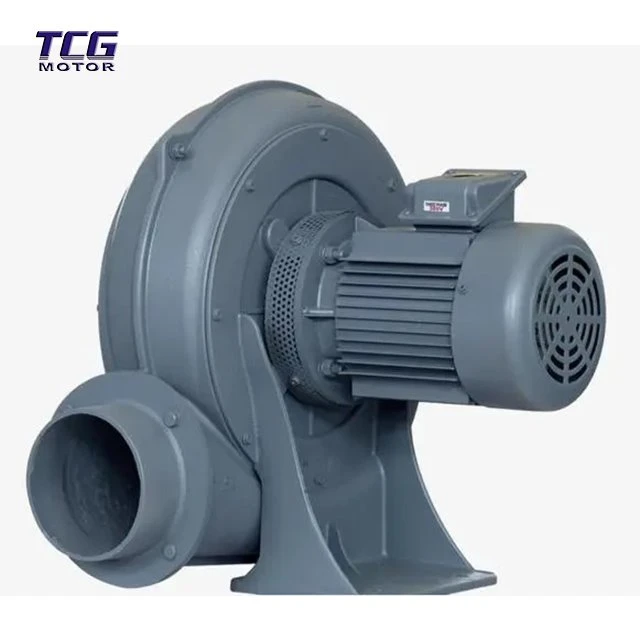
Our motors are designed to be as resilient as possible to voltage fluctuations. We use high - quality materials and advanced manufacturing techniques to ensure that our motors can withstand the rigors of real - world electrical conditions. But even with the best - built motors, it's still important to take steps to protect them from voltage issues.
Why Choose Us
We've been in the air blower motor business for a long time, and we've built a reputation for providing top - notch products and excellent customer service. Our team of experts is always on hand to answer your questions and help you choose the right motor for your needs.
We also offer competitive pricing without compromising on quality. We understand that cost is an important factor for our customers, and we strive to provide the best value for your money.
Let's Talk!
If you're in the market for an air blower motor or have any questions about voltage fluctuations and motor protection, don't hesitate to get in touch. We're more than happy to have a chat and help you find the perfect solution for your requirements. Whether you're a homeowner, a business owner, or an HVAC professional, we're here to assist you.
References
- "Electric Motors and Their Applications" by Russell W. Nelson
- "Handbook of Energy Efficiency and Renewable Energy" edited by Steven Strong