

What is the power density of a DC carbon brushed motor?
Jun 04, 2025
Power density is a critical metric when evaluating the performance of DC carbon brushed motors. As a supplier of DC Carbon Brushed Motors, I've witnessed firsthand how understanding power density can help customers make informed decisions about which motor best suits their applications. In this blog post, I'll delve into what power density is, why it matters for DC carbon brushed motors, and how it impacts various industries.
What is Power Density?
Power density is defined as the amount of power a device can produce per unit volume or mass. In the context of DC carbon brushed motors, it represents the ratio of the motor's output power to its physical size or weight. Mathematically, power density (PD) can be expressed in two common ways:
- Volume - based power density: (PD_{V}=\frac{P}{V}), where (P) is the output power of the motor (usually measured in watts, W) and (V) is the volume of the motor (in cubic meters, (m^{3})).
- Mass - based power density: (PD_{m}=\frac{P}{m}), where (m) is the mass of the motor (in kilograms, kg).
A high - power density motor can deliver a large amount of power while taking up less space or weighing less. This is highly desirable in many applications where space and weight are at a premium.
Why Power Density Matters for DC Carbon Brushed Motors
Space - Constrained Applications
In industries such as robotics, aerospace, and automotive, space is often extremely limited. For example, in a small robotic arm, the motor needs to fit within a compact structure while still providing enough torque to move the arm effectively. A high - power density DC carbon brushed motor allows designers to achieve this goal, enabling the creation of more compact and efficient robotic systems.
Weight - Sensitive Applications
In aerospace applications, every gram counts. Reducing the weight of components can significantly improve fuel efficiency and overall performance. High - power density motors help in this regard by providing the necessary power with less mass. Similarly, in electric vehicles, lighter motors can contribute to increased range and better acceleration.
Cost - Efficiency
High - power density motors can also lead to cost savings. Since they are more compact, they may require less material for construction. Additionally, smaller motors can reduce the overall size and weight of the equipment they are used in, potentially lowering shipping and installation costs.
Factors Affecting the Power Density of DC Carbon Brushed Motors
Magnetic Field Strength
The strength of the magnetic field in a DC carbon brushed motor plays a crucial role in determining its power density. A stronger magnetic field can generate more torque and power for a given current. Motors with high - performance magnets, such as neodymium magnets, can achieve higher power densities compared to those with weaker magnets.
Electrical Efficiency
Efficiency is another key factor. A more efficient motor converts a higher percentage of electrical energy into mechanical energy, reducing losses in the form of heat. Lower heat generation allows the motor to operate at higher power levels without overheating, thereby increasing its power density. Factors that affect electrical efficiency include the quality of the motor windings, the commutator design, and the carbon brushes.
Cooling Mechanisms
Effective cooling is essential for maintaining high power density. Motors that can dissipate heat quickly can operate at higher power levels without damage. Some DC carbon brushed motors are equipped with cooling fins, fans, or liquid cooling systems to improve heat dissipation and increase power density.
Applications and the Role of Power Density
Industrial Automation
In industrial automation, DC carbon brushed motors are used in conveyor belts, packaging machines, and assembly lines. High - power density motors enable these machines to operate at high speeds and with high precision, increasing productivity. For example, a high - power density motor can drive a conveyor belt with a large load in a relatively small space, reducing the footprint of the entire production line.
Consumer Electronics
In consumer electronics, such as power tools and home appliances, power density is a key consideration. Cordless power tools, for instance, require motors that can deliver high power in a small and lightweight package. A high - power density DC carbon brushed motor allows for longer battery life and more compact tool designs, enhancing user convenience.
Medical Devices
Medical devices often have strict requirements for size, weight, and reliability. DC carbon brushed motors with high power density are used in applications such as infusion pumps, ventilators, and surgical robots. These motors need to operate precisely and quietly while fitting into the small form factors of medical equipment.
Comparing with Other Motor Types
When comparing DC carbon brushed motors with other types of motors, such as DC Brushless Motor Drive, it's important to note that each has its own advantages and disadvantages in terms of power density. DC brushless motors generally have higher efficiency and can achieve high power densities in certain applications. However, DC carbon brushed motors are often simpler in design, more cost - effective, and can provide high starting torque, making them suitable for many applications where power density is not the only consideration.
Braked DC Brushless Motor also offers unique features, such as built - in braking systems, which can be beneficial in applications where precise control and stopping are required. On the other hand, Low RPM DC Brushed Motor can provide high torque at low speeds, which is useful in applications such as conveyor systems and certain types of machinery.
How We Ensure High Power Density in Our DC Carbon Brushed Motors
As a supplier of DC Carbon Brushed Motors, we take several steps to ensure that our motors have high power densities. First, we use advanced magnetic materials and optimized magnetic circuit designs to maximize the magnetic field strength. This allows our motors to generate more power for a given size and weight.
Second, we focus on improving electrical efficiency through careful selection of materials and manufacturing processes. Our motor windings are designed to minimize resistance, and our carbon brushes are engineered for low friction and high conductivity.
Finally, we incorporate effective cooling mechanisms into our motor designs. Depending on the application requirements, we may use cooling fins, fans, or other heat - dissipation methods to ensure that our motors can operate at high power levels without overheating.
Conclusion
Power density is a vital characteristic of DC carbon brushed motors, influencing their performance, suitability for different applications, and overall cost - effectiveness. Whether you are in the industrial automation, consumer electronics, or medical device industry, understanding power density can help you choose the right motor for your needs.
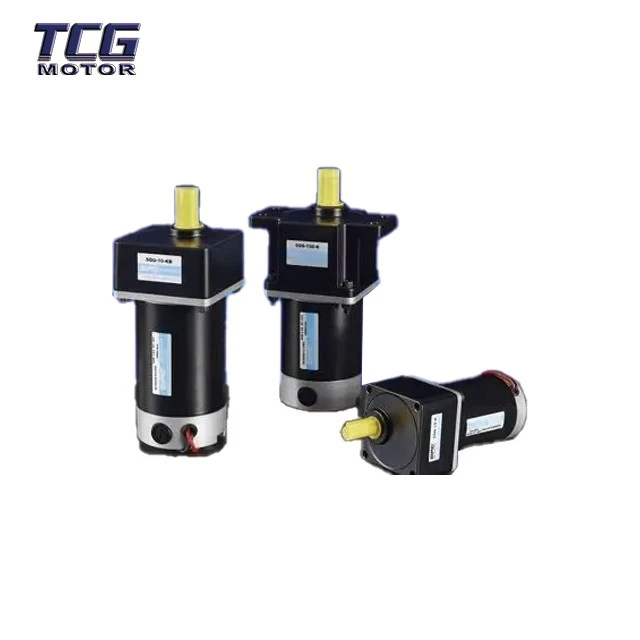

As a leading supplier of DC Carbon Brushed Motors, we are committed to providing high - quality motors with excellent power density. If you are interested in learning more about our products or discussing your specific motor requirements, we encourage you to reach out to us for a detailed consultation. Our team of experts is ready to assist you in finding the perfect motor solution for your application.
References
- Fitzgerald, A. E., Kingsley, C., & Umans, S. D. (2003). Electric Machinery. McGraw - Hill.
- Chapman, S. J. (2012). Electric Machinery Fundamentals. McGraw - Hill.
- Boldea, I., & Nasar, S. A. (1999). Electric Drives: An Introduction. CRC Press.