

What is the starting current of an AC motor?
Dec 23, 2025
As a trusted AC motor supplier, I've encountered numerous inquiries regarding the starting current of AC motors. This topic is not only crucial for understanding the performance of these motors but also plays a significant role in various industrial and commercial applications. In this blog, I'll delve into the concept of starting current, its implications, and how it relates to our range of AC motors, including the Ac Gear Motor 60 Rpm, 40w Ac Small Motor, and Compact Ac Gear Motor.
What is Starting Current?
Starting current, also known as inrush current, refers to the initial surge of current that an AC motor draws when it is first started. This current is typically much higher than the motor's normal operating current and can last for a few milliseconds to several seconds, depending on the motor's design and the load it is driving.
The high starting current is primarily due to the fact that when the motor is at rest, there is no back electromotive force (EMF) generated. Back EMF is a voltage that opposes the applied voltage and limits the current flow in the motor during normal operation. Without back EMF at startup, the motor acts like a short - circuit, and the current is only limited by the resistance and inductance of the motor windings.
Factors Affecting Starting Current
Several factors can influence the magnitude and duration of the starting current of an AC motor:
Motor Design
- Type of Motor: Different types of AC motors, such as induction motors, synchronous motors, and shaded - pole motors, have different starting current characteristics. For example, squirrel - cage induction motors usually have a high starting current, often 5 - 8 times the rated current.
- Number of Poles: Motors with a lower number of poles generally have a higher starting current compared to those with a higher number of poles. This is because lower - pole motors rotate at higher speeds and require more torque to start.
Load Characteristics
- Load Inertia: A high - inertia load, such as a large flywheel or a conveyor belt, requires more torque to start. As a result, the motor will draw a higher starting current to overcome the inertia.
- Load Torque Requirements: Some loads, like pumps and fans, have a low starting torque requirement, while others, such as compressors and crushers, have a high starting torque requirement. Motors driving high - torque loads will have a higher starting current.
Supply Voltage
- Voltage Level: A higher supply voltage will result in a higher starting current. Any fluctuations in the supply voltage can also affect the starting current. For instance, if the voltage is too low, the motor may not be able to start properly, and if it is too high, the starting current will be excessive.
Implications of High Starting Current
The high starting current of AC motors can have several implications:
Electrical System Stress
- Voltage Drop: The large inrush current can cause a significant voltage drop in the electrical system, especially in systems with long cables or weak power sources. This voltage drop can affect other equipment connected to the same system, causing them to malfunction.
- Overloading of Circuit Components: High starting current can overload circuit breakers, fuses, and other protective devices. If these devices are not properly sized, they may trip during motor startup, leading to unnecessary downtime.
Motor Wear and Tear
- Thermal Stress: The high starting current generates a large amount of heat in the motor windings. Repeated starts with high starting current can cause thermal stress, which may lead to insulation degradation and reduce the motor's lifespan.
- Mechanical Stress: The high torque produced during startup can also cause mechanical stress on the motor shaft, bearings, and coupling. This can lead to premature wear and failure of these components.
Reducing Starting Current
To mitigate the problems associated with high starting current, several methods can be employed:
Soft Starters
A soft starter is an electronic device that gradually increases the voltage applied to the motor during startup. This reduces the starting current and provides a smooth acceleration of the motor. Soft starters are commonly used in applications where a high - inertia load needs to be started or where voltage drop is a concern.
Variable Frequency Drives (VFDs)
VFDs are another effective way to control the starting current of an AC motor. They work by varying the frequency and voltage supplied to the motor. By starting the motor at a low frequency and gradually increasing it, the starting current can be significantly reduced. VFDs also offer precise speed control and energy savings during normal operation.
Star - Delta Starters
This is a traditional method used for starting three - phase induction motors. In the star - delta starter, the motor windings are initially connected in a star configuration during startup. This reduces the voltage applied to each winding and hence the starting current. After the motor has reached a certain speed, the windings are reconnected in a delta configuration for normal operation.
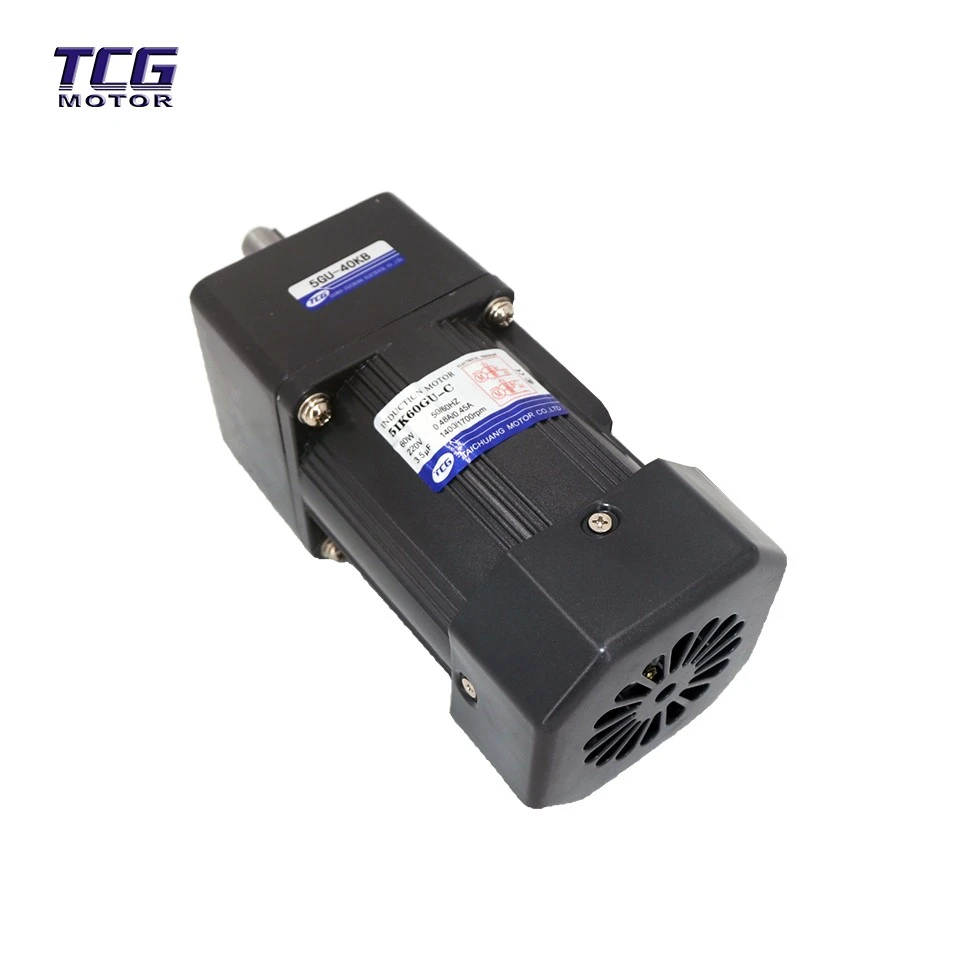
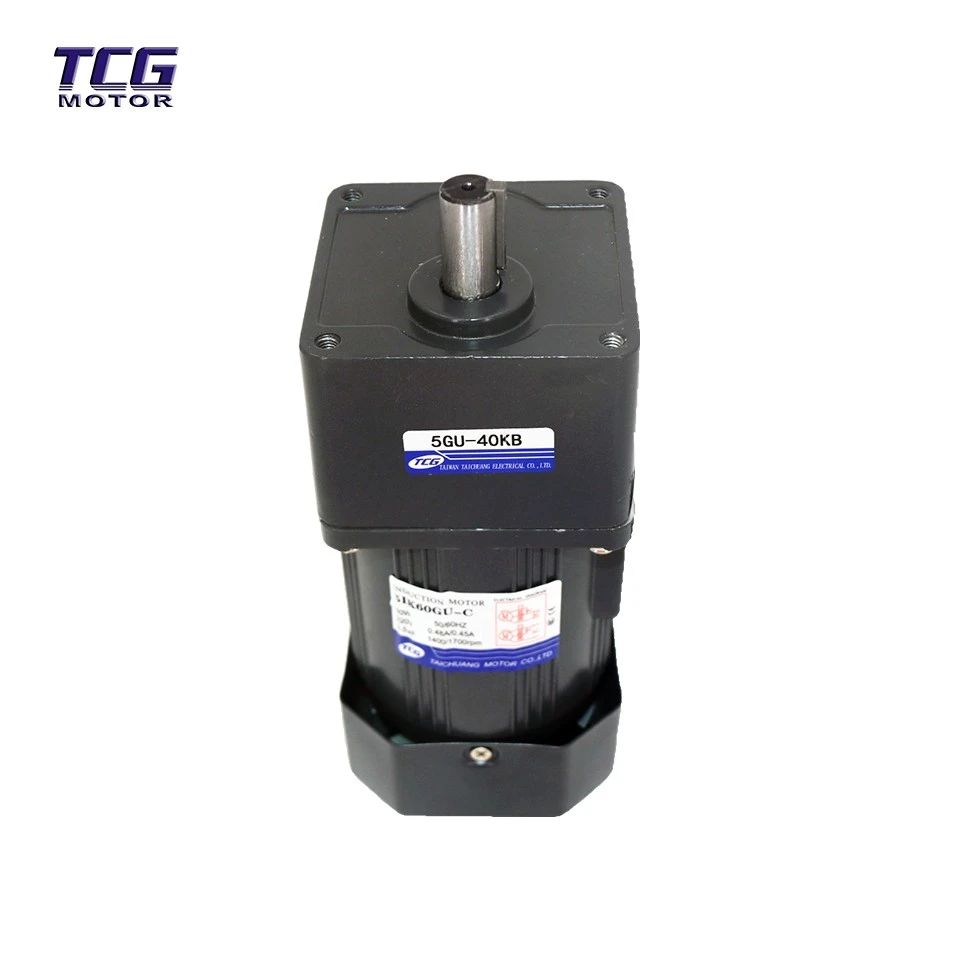
Starting Current and Our AC Motors
At our company, we understand the importance of managing starting current in our AC motors. Our Ac Gear Motor 60 Rpm is designed to have a relatively stable starting current, thanks to its well - engineered motor design and gearing system. The gear reduction helps to reduce the load on the motor during startup, thereby minimizing the starting current.
Our 40w Ac Small Motor is suitable for applications where space is limited and a low - starting - current solution is required. The compact design and efficient winding configuration of this motor result in a lower starting current compared to larger motors with similar power ratings.
The Compact Ac Gear Motor combines the advantages of a gear motor and a compact design. It is engineered to provide smooth starting and a controlled starting current, making it ideal for applications such as robotics, automation, and small - scale machinery.
Importance of Considering Starting Current in Selection
When selecting an AC motor for a specific application, it is essential to consider the starting current requirements. An improper selection can lead to various problems, such as electrical system failures, motor overheating, and premature component wear.
By understanding the starting current characteristics of different motors and the factors that affect them, you can make an informed decision. Our team of experts is always ready to assist you in choosing the right motor for your application, taking into account the starting current requirements, load characteristics, and other relevant factors.
Contact Us for Your AC Motor Needs
If you are in the market for high - quality AC motors and need more information about starting current or any other aspect of our products, we encourage you to contact us. Our experienced sales team can provide you with detailed technical specifications, performance data, and pricing information. Whether you need a single motor or a large - scale supply, we are committed to meeting your requirements with the best possible solutions.
References
- Fitzgerald, A. E., Kingsley, C., & Umans, S. D. (2003). Electric Machinery. McGraw - Hill.
- Chapman, S. J. (2012). Electric Machinery Fundamentals. McGraw - Hill.
- Krause, P. C., Wasynczuk, O., & Sudhoff, S. D. (2002). Analysis of Electric Machinery and Drive Systems. Wiley - Interscience.