

What is the static performance of a pump gear motor?
Jun 20, 2025
Hey there! As a supplier of pump gear motors, I often get asked about the static performance of these nifty little machines. So, I thought I'd take a few minutes to break it down for you.
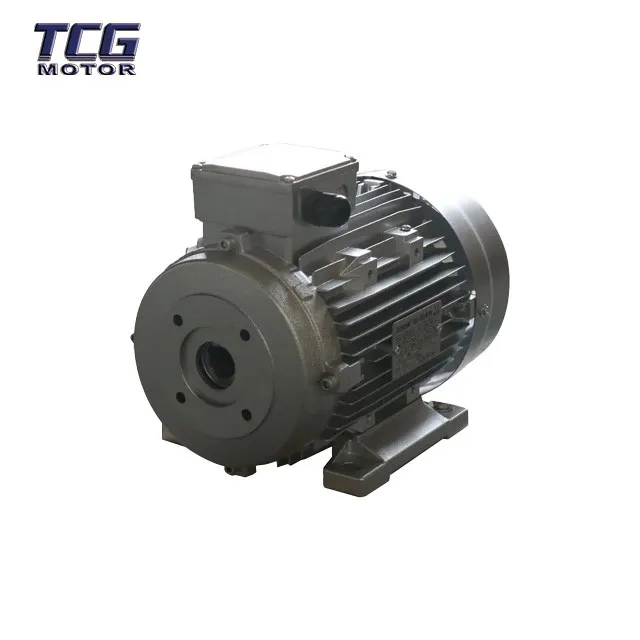
Let's start with the basics. A pump gear motor is a type of motor that uses gears to transfer power from the motor to the pump. It's a simple yet effective design that's used in a wide range of applications, from small household pumps to large industrial systems.
What Does Static Performance Mean?
When we talk about the static performance of a pump gear motor, we're essentially looking at how well it performs under steady - state conditions. That means no sudden changes in load, speed, or other operating parameters. Static performance is all about the motor's ability to maintain a consistent output over time.
One of the key aspects of static performance is torque. Torque is the rotational force that the motor can generate. In a pump gear motor, torque is crucial because it determines how effectively the motor can turn the pump's gears and move the fluid. A motor with high torque can handle heavier loads and more viscous fluids without stalling.
Another important factor is speed. The speed of a pump gear motor is usually measured in revolutions per minute (RPM). The right speed is essential for ensuring that the pump operates at its optimal efficiency. If the speed is too low, the pump may not be able to move enough fluid. On the other hand, if the speed is too high, it can cause excessive wear and tear on the gears and other components.
Efficiency and Power
Efficiency is a big deal when it comes to static performance. An efficient pump gear motor will convert more of the electrical energy it consumes into mechanical energy to drive the pump. This not only saves energy but also reduces operating costs in the long run. We all know that energy bills can add up, especially for industrial applications where motors run continuously.
Power is also closely related to efficiency. The power rating of a pump gear motor tells you how much energy it can consume and how much work it can do. A higher - power motor can generally handle larger pumps and more demanding applications. However, it's important to match the power of the motor to the requirements of the pump to avoid over - or under - sizing.
Pressure and Flow Rate
Pressure and flow rate are two other critical aspects of static performance. Pressure is the force exerted by the fluid as it moves through the pump. A pump gear motor needs to be able to generate enough pressure to overcome the resistance in the system and move the fluid to its destination.
Flow rate, on the other hand, is the volume of fluid that the pump can move in a given amount of time. It's usually measured in gallons per minute (GPM) or liters per minute (LPM). The right balance between pressure and flow rate is essential for the proper operation of the pump. For example, in a Car Washer Hollow Shaft Motor, you need a sufficient flow rate to quickly wash the car, but also enough pressure to remove dirt and grime effectively.
Load Capacity
Load capacity refers to the maximum amount of weight or resistance that the pump gear motor can handle. When a motor is operating at or near its load capacity, its performance can start to degrade. This can lead to issues like overheating, reduced efficiency, and premature wear. It's crucial to choose a motor with a load capacity that matches the requirements of your application. For instance, a Concrete Mixer Hollow Shaft Motor needs to have a high load capacity to handle the heavy and viscous concrete.
Factors Affecting Static Performance
There are several factors that can affect the static performance of a pump gear motor. The quality of the materials used in the motor's construction is one of them. High - quality materials, such as Carbon Steel Cast Hollow Shaft Motor, can withstand more wear and tear and provide better performance over time.
The design of the gears also plays a significant role. Well - designed gears will mesh smoothly, reducing friction and improving efficiency. Lubrication is another important factor. Proper lubrication helps to reduce friction between the moving parts, which not only improves performance but also extends the lifespan of the motor.
Environmental conditions can also have an impact on static performance. For example, extreme temperatures, humidity, and dust can all affect the operation of the motor. Motors that are designed to operate in harsh environments need to be more robust and have additional protective features.
How We Ensure Good Static Performance
As a pump gear motor supplier, we take a lot of steps to ensure that our motors have excellent static performance. We start by using high - quality materials in the manufacturing process. Our engineers carefully design the gears to ensure smooth operation and maximum efficiency.
We also conduct rigorous testing on all our motors. This includes testing for torque, speed, efficiency, pressure, and flow rate. By doing so, we can make sure that each motor meets our strict quality standards before it leaves our factory.
Conclusion
In conclusion, the static performance of a pump gear motor is a complex but important topic. Understanding the key factors like torque, speed, efficiency, pressure, and flow rate can help you choose the right motor for your application. Whether you're looking for a Car Washer Hollow Shaft Motor, a Concrete Mixer Hollow Shaft Motor, or a Carbon Steel Cast Hollow Shaft Motor, we've got you covered.
If you're in the market for a pump gear motor and want to learn more about how our products can meet your needs, don't hesitate to reach out. We're here to help you make the best choice for your application. Contact us today to start the procurement process and let's get your project up and running smoothly!

References
- Pump Handbook, by Igor J. Karassik et al.
- Electric Motors and Drives: Fundamentals, Types and Applications, by Austin Hughes and Bill Drury.