

What is the voltage rating of an AC motor?
Jan 16, 2026
The voltage rating of an AC motor is a critical specification that determines its performance, compatibility, and safety. As an AC motor supplier, understanding these ratings is essential for both our team and our customers. In this blog, we'll delve into what the voltage rating of an AC motor means, why it matters, and how it impacts the selection and operation of these motors.
What is the Voltage Rating?
The voltage rating of an AC motor is the specific voltage at which the motor is designed to operate optimally. It is typically marked on the motor's nameplate, along with other important information such as power, speed, and current. For example, a motor might be rated for 110V, 220V, or 440V. This rating is based on the electrical characteristics of the motor's windings, insulation, and other components.
When an AC motor is operated at its rated voltage, it can deliver the specified power output, efficiency, and torque. Deviating from this voltage can have significant consequences. If the voltage is too low, the motor may not be able to start or may run at a reduced speed, resulting in lower performance and potentially overheating. On the other hand, if the voltage is too high, it can cause excessive current flow, which can damage the motor's insulation and other components, leading to premature failure.
Factors Affecting Voltage Rating
Several factors influence the voltage rating of an AC motor. One of the primary factors is the power requirements of the motor. Higher-power motors generally require higher voltages to operate efficiently. This is because power (P) is equal to voltage (V) multiplied by current (I), or P = VI. To deliver a large amount of power, either the voltage or the current must be high. Since high currents can cause excessive heat and power losses, it is often more practical to use higher voltages for high-power motors.
The application and the electrical supply available at the installation site also play a crucial role in determining the voltage rating. In some regions, the standard electrical supply voltage is 110V, while in others, it is 220V or 440V. Motors need to be selected with a voltage rating that matches the available supply voltage. Additionally, the type of load the motor will drive can affect the voltage requirements. For example, motors used in industrial applications such as conveyor belts or pumps may require higher voltages to handle the heavy loads.
Importance of Correct Voltage Rating
Using an AC motor with the correct voltage rating is of utmost importance for several reasons. Firstly, it ensures the motor operates safely and reliably. When a motor is operated at its rated voltage, the electrical stress on its components is within the designed limits, reducing the risk of electrical breakdown and fire hazards.
Secondly, the correct voltage rating is essential for achieving optimal performance. Motors are designed to deliver their rated power, speed, and torque at the specified voltage. If the voltage is incorrect, the motor may not be able to meet the performance requirements of the application, leading to reduced productivity and increased energy consumption.
Finally, using the correct voltage rating can extend the lifespan of the motor. Operating a motor at an incorrect voltage can cause premature wear and tear on its components, leading to frequent breakdowns and costly repairs. By ensuring the motor operates at its rated voltage, you can maximize its service life and minimize maintenance costs.
Our Range of AC Motors with Different Voltage Ratings
As an AC motor supplier, we offer a wide range of motors with different voltage ratings to meet the diverse needs of our customers. For example, our High Torque Ac Gear Motor is available in various voltage options to suit different applications and electrical supply conditions. This motor is designed to provide high torque at low speeds, making it ideal for applications such as robotics, material handling, and automation.

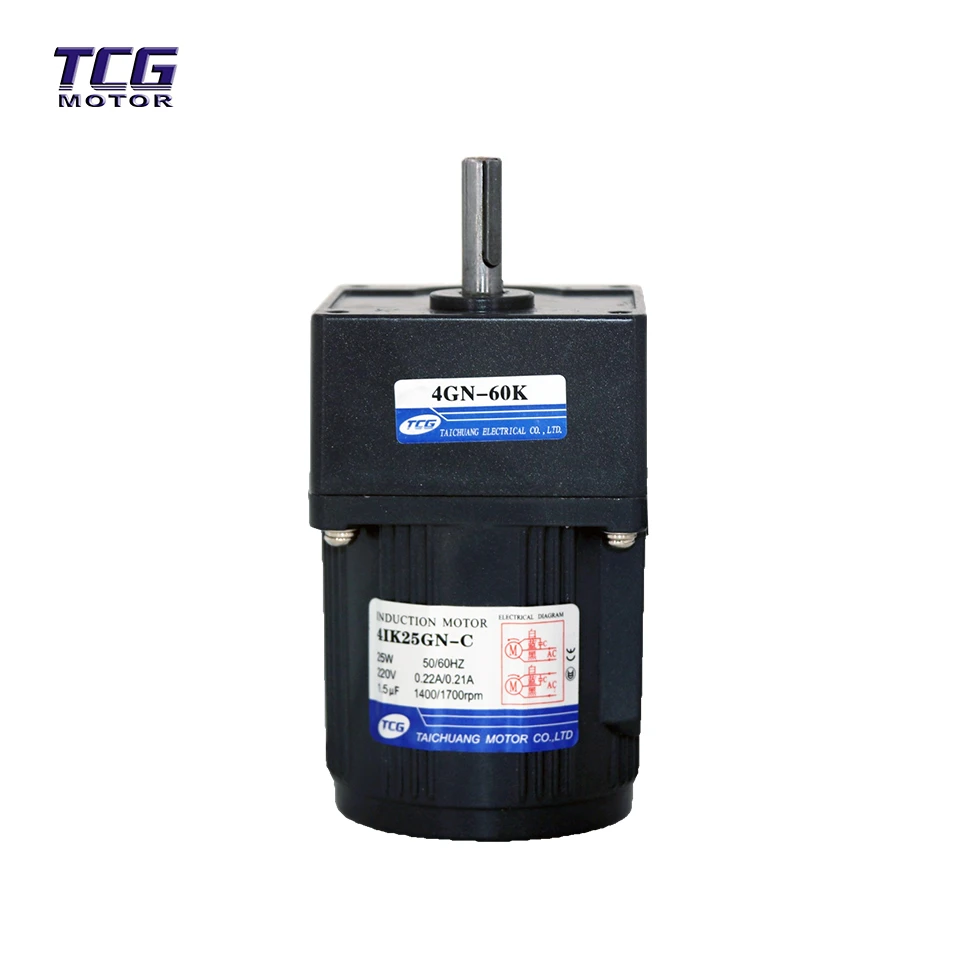
We also have the 6W Mini Ac Motor, which is a compact and energy-efficient motor suitable for small-scale applications such as home appliances, toys, and small machinery. This motor is available in different voltage ratings, allowing customers to select the one that best matches their electrical supply.
Another popular product in our portfolio is the 25W Ac Small Motor. This motor is designed for medium-duty applications and offers a good balance between power and efficiency. It is available in multiple voltage options, providing flexibility for different installation sites.
Selecting the Right Voltage Rating for Your Application
When selecting an AC motor for your application, it is crucial to consider the voltage requirements carefully. Here are some steps to help you choose the right voltage rating:
- Determine the available electrical supply voltage: Check the voltage of the electrical supply at the installation site. This information can usually be obtained from the electrical panel or by consulting a qualified electrician.
- Assess the power requirements of the application: Calculate the power needed to drive the load. Consider factors such as the type of load, the speed at which it needs to operate, and any additional requirements such as starting torque.
- Consult the motor manufacturer or supplier: If you are unsure about the appropriate voltage rating for your application, our team of experts is always available to assist you. We can provide technical advice and recommendations based on your specific requirements.
- Consider future expansion or changes: If there is a possibility of future expansion or changes to the application, it may be advisable to select a motor with a slightly higher voltage rating to accommodate these changes.
Conclusion
In conclusion, the voltage rating of an AC motor is a critical parameter that affects its performance, safety, and lifespan. As an AC motor supplier, we understand the importance of providing our customers with motors that are rated for the correct voltage. Our extensive range of motors with different voltage ratings ensures that we can meet the diverse needs of our customers across various industries.
If you are in the market for an AC motor and need assistance in selecting the right voltage rating for your application, please do not hesitate to contact us. Our team of experienced professionals is ready to help you make the right choice and ensure that your motor operates efficiently and reliably.
References
- Electric Machinery Fundamentals, Stephen J. Chapman
- Industrial Motor Control, Michael P. Brown