

What is the voltage requirement for a pump gear motor?
Aug 12, 2025
When it comes to pump gear motors, one of the most frequently asked questions is about their voltage requirements. As a seasoned supplier of pump gear motors, I've encountered this query numerous times from customers across various industries. In this blog post, I'll delve into the intricacies of voltage requirements for pump gear motors, exploring the factors that influence them and offering insights to help you make informed decisions for your specific applications.
Understanding the Basics of Voltage in Pump Gear Motors
Voltage is a fundamental electrical parameter that determines the force with which electric current flows through a circuit. In the context of pump gear motors, voltage is crucial because it directly affects the motor's performance, efficiency, and lifespan. A pump gear motor is designed to operate within a specific voltage range, and deviating from this range can lead to a variety of issues, including reduced performance, overheating, and premature failure.
The voltage requirement of a pump gear motor is typically specified by the manufacturer and can vary depending on several factors, such as the motor's power rating, design, and intended application. Common voltage ratings for pump gear motors include 12V, 24V, 110V, and 220V, although other voltages may also be available depending on the specific requirements of the application.
Factors Influencing Voltage Requirements
Power Rating
The power rating of a pump gear motor is one of the primary factors that influence its voltage requirement. Generally, higher-power motors require higher voltages to operate efficiently. This is because power (P) is calculated as the product of voltage (V) and current (I), according to the formula P = VI. Therefore, for a given power rating, increasing the voltage allows the motor to draw less current, which can reduce energy losses and improve overall efficiency.
For example, a small pump gear motor with a power rating of 100 watts may be designed to operate at 12V or 24V, while a larger motor with a power rating of 1000 watts may require 110V or 220V to function properly. When selecting a pump gear motor, it's important to consider the power requirements of your application and choose a motor with an appropriate voltage rating to ensure optimal performance.
Application Requirements
The specific requirements of your application can also have a significant impact on the voltage requirement of the pump gear motor. Different applications may require different levels of pressure, flow rate, and speed, which can affect the motor's power consumption and, consequently, its voltage requirement.
For instance, a high-pressure pump application may require a motor with a higher voltage rating to generate the necessary force to overcome the resistance in the system. On the other hand, a low-pressure, low-flow application may be able to operate with a lower voltage motor. It's essential to carefully evaluate the requirements of your application and consult with a knowledgeable supplier to determine the most suitable voltage rating for your pump gear motor.
Environmental Conditions
The environmental conditions in which the pump gear motor will operate can also influence its voltage requirement. Factors such as temperature, humidity, and altitude can affect the motor's performance and efficiency, and may require adjustments to the voltage to ensure reliable operation.
In high-temperature environments, for example, the motor may experience increased resistance, which can lead to higher power consumption and a need for a higher voltage to maintain the desired performance. Similarly, in high-altitude locations, where the air density is lower, the motor may require a higher voltage to compensate for the reduced cooling effect. It's important to consider the environmental conditions of your application and choose a motor with a voltage rating that can withstand these conditions.
Selecting the Right Voltage for Your Pump Gear Motor
Choosing the right voltage for your pump gear motor is crucial to ensure optimal performance, efficiency, and reliability. Here are some tips to help you make the right decision:
Evaluate Your Application Requirements
Before selecting a pump gear motor, it's important to thoroughly evaluate the requirements of your application. Consider factors such as the required pressure, flow rate, speed, and duty cycle, as well as any specific environmental conditions that may affect the motor's performance. This will help you determine the appropriate power rating and voltage range for your motor.
Consult with a Knowledgeable Supplier
As a pump gear motor supplier, I have extensive experience in helping customers select the right motor for their applications. I can provide you with expert advice and guidance based on your specific requirements, and help you choose a motor with the appropriate voltage rating to ensure optimal performance. Don't hesitate to reach out to me if you have any questions or need assistance with your motor selection.
Consider Compatibility
When selecting a pump gear motor, it's important to consider the compatibility of the motor with your existing electrical system. Make sure that the voltage rating of the motor matches the voltage available in your system, and that the motor's electrical connections are compatible with your wiring and control equipment. If necessary, consult with an electrician or electrical engineer to ensure proper installation and operation of the motor.
Our Range of Pump Gear Motors
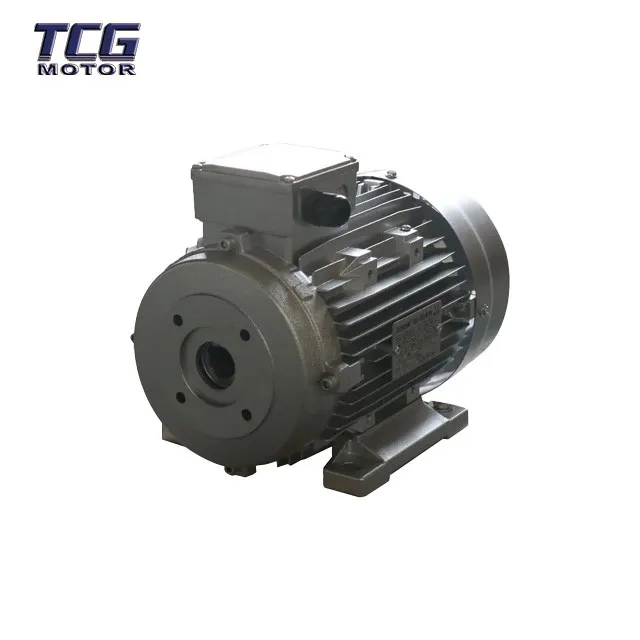
At our company, we offer a wide range of pump gear motors with different voltage ratings to meet the diverse needs of our customers. Whether you're looking for a Car Washer Hollow Shaft Motor, a Hollow Shaft Motor for Pump, or a Concrete Mixer Hollow Shaft Motor, we have the right solution for you.
Our motors are designed and manufactured to the highest standards of quality and reliability, and are backed by our commitment to customer satisfaction. We use only the finest materials and advanced manufacturing techniques to ensure that our motors deliver superior performance and durability in even the most demanding applications.
Contact Us for Your Pump Gear Motor Needs
If you're in the market for a pump gear motor and need help selecting the right voltage rating for your application, don't hesitate to contact us. Our team of experts is here to assist you with your motor selection, and can provide you with detailed information about our products and services.
We understand that every application is unique, and we're committed to providing customized solutions that meet your specific needs. Whether you're a small business or a large industrial enterprise, we have the expertise and resources to help you find the perfect pump gear motor for your application.
In conclusion, understanding the voltage requirements of pump gear motors is essential for ensuring optimal performance, efficiency, and reliability. By considering the factors that influence voltage requirements, carefully evaluating your application needs, and consulting with a knowledgeable supplier, you can select the right voltage rating for your pump gear motor and ensure that it operates smoothly and effectively for years to come.

References
- Electrical Engineering Handbook, Third Edition, by Richard C. Dorf
- Motor and Drive Selection Handbook, Second Edition, by Dan Hart
- Pump Handbook, Fourth Edition, by Igor J. Karassik, Josef P. Messina, Paul Cooper, and Charles C. Heald