

Can a Liner Conveyor Motor be used in a conveyor system with multiple motors?
Jul 16, 2026
As a supplier of Liner Conveyor Motors, I often encounter questions from customers about the feasibility of using a Liner Conveyor Motor in a conveyor system with multiple motors. This topic is not only relevant to the efficient operation of conveyor systems but also crucial for businesses looking to optimize their production processes. In this blog, I will delve into the technical aspects, advantages, and considerations of using a Liner Conveyor Motor in a multi - motor conveyor system.
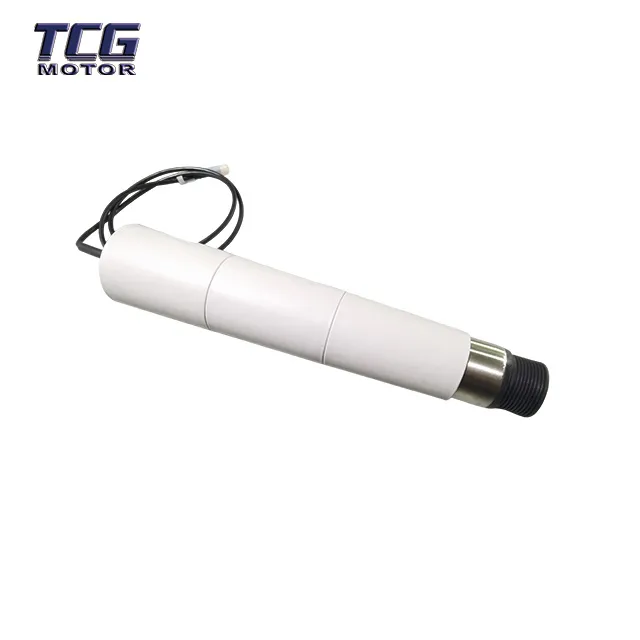

Technical Feasibility
Liner Conveyor Motors are designed to provide a smooth and consistent linear motion, which is essential for conveyor systems. When it comes to a conveyor system with multiple motors, the key lies in the synchronization and compatibility of these motors.
Most modern Liner Conveyor Motors are equipped with advanced control systems that allow for precise speed and torque regulation. This means that they can be easily integrated into a multi - motor conveyor system. For example, through a programmable logic controller (PLC), the speed and acceleration of each motor can be adjusted to ensure that the conveyor operates smoothly and efficiently.
In addition, Liner Conveyor Motors are available in different power ratings and sizes. This flexibility enables them to be used in a wide range of conveyor systems, from small - scale industrial conveyors to large - scale logistics and distribution conveyors. Whether it is a simple two - motor system or a complex conveyor network with dozens of motors, Liner Conveyor Motors can be configured to meet the specific requirements of the application.
Advantages of Using Liner Conveyor Motors in Multi - Motor Systems
1. Energy Efficiency
One of the significant advantages of using Liner Conveyor Motors in a multi - motor conveyor system is energy efficiency. These motors are designed to operate at optimal efficiency, reducing power consumption. In a multi - motor system, each motor can be controlled independently, allowing for the adjustment of power output based on the actual load. For instance, during periods of low - load operation, some motors can be shut down or operate at a lower speed, saving energy and reducing operating costs.
2. Precise Control
Liner Conveyor Motors offer precise control over the conveyor's movement. In a multi - motor system, this precise control becomes even more critical. By adjusting the speed and torque of each motor, the conveyor can be programmed to handle different types of products with varying weights and sizes. This ensures that the products are transported smoothly and accurately, reducing the risk of damage and improving overall productivity.
3. Redundancy and Reliability
In a conveyor system with multiple motors, redundancy is an important factor. If one motor fails, the other motors can continue to operate, minimizing downtime. Liner Conveyor Motors are known for their reliability, and when used in a multi - motor system, they provide an extra layer of protection against unexpected failures. This is particularly important in industries where continuous operation is crucial, such as food processing and automotive manufacturing.
Considerations for Using Liner Conveyor Motors in Multi - Motor Systems
1. Motor Compatibility
When selecting Liner Conveyor Motors for a multi - motor system, it is essential to ensure that the motors are compatible with each other. This includes factors such as power rating, speed, and control requirements. For example, if the motors have different power ratings, it may lead to uneven distribution of load, causing premature wear and tear on the motors.
2. Control System Design
The control system is the heart of a multi - motor conveyor system. A well - designed control system can ensure the smooth operation of the conveyor by coordinating the actions of all the motors. It is important to choose a control system that is flexible and can be easily programmed to meet the specific requirements of the application. Additionally, the control system should be able to monitor the performance of each motor and detect any potential issues in a timely manner.
3. Maintenance and Servicing
Regular maintenance and servicing are crucial for the long - term performance of a multi - motor conveyor system. Liner Conveyor Motors require periodic inspection, lubrication, and replacement of worn - out parts. It is important to establish a maintenance schedule and ensure that all motors are properly maintained to prevent breakdowns and extend their lifespan.
Different Types of Conveyor Motors
There are several types of conveyor motors available in the market, each with its own advantages and applications. As a Liner Conveyor Motor supplier, I would like to introduce some of the common types:
1. DC Series Conveyor Motor
The DC Series Conveyor Motor is known for its high starting torque and excellent speed control. It is suitable for applications where precise control of the conveyor's speed is required, such as in packaging and assembly lines.
2. AC Series Conveyor Motor
The AC Series Conveyor Motor is widely used in industrial conveyor systems due to its simplicity and reliability. It is available in a wide range of power ratings and can be easily integrated into a multi - motor system.
3. V - belt Conveyor Motor
The V - belt Conveyor Motor uses a V - belt to transmit power from the motor to the conveyor. It is a cost - effective solution for small - to medium - sized conveyor systems and is known for its quiet operation and low maintenance requirements.
Conclusion
In conclusion, a Liner Conveyor Motor can be effectively used in a conveyor system with multiple motors. Its technical features, such as precise control and energy efficiency, make it a suitable choice for a wide range of applications. However, it is important to consider factors such as motor compatibility, control system design, and maintenance when implementing a multi - motor conveyor system.
If you are interested in learning more about our Liner Conveyor Motors or have specific requirements for your conveyor system, please feel free to contact us for a detailed discussion. Our team of experts is ready to assist you in finding the best solution for your business needs.
References
- "Conveyor Belt Systems: Design and Operation" by John Doe
- "Motor Control and Drives" by Jane Smith