

Can an engine gantry crane be used in high - altitude operations?
Jul 18, 2025
As a seasoned supplier of engine gantry cranes, I often encounter inquiries about the feasibility of using these cranes in high - altitude operations. This topic is not only of great interest to our customers but also crucial for understanding the full potential and limitations of our products.
Understanding Engine Gantry Cranes
Engine gantry cranes are robust and versatile lifting equipment. They are typically used in industrial settings such as shipyards, construction sites, and manufacturing plants. These cranes are powered by engines, which provide the necessary force to lift and move heavy loads. The gantry structure gives them stability and allows them to cover a relatively large working area.
The design of an engine gantry crane includes a bridge structure supported by legs that run on rails or wheels. The hoisting mechanism, which is the heart of the crane, is capable of lifting loads vertically. The engine provides the power for both the hoisting and the movement of the crane along its tracks.
High - Altitude Operations: The Basics
High - altitude operations refer to any work carried out at significant heights above the ground. This can include construction of tall buildings, maintenance of bridges, or installation of large - scale industrial equipment on high platforms. Safety is the primary concern in high - altitude operations, and the equipment used must meet strict standards to ensure the well - being of the workers and the success of the project.
Can an Engine Gantry Crane Be Used in High - Altitude Operations?
The short answer is yes, an engine gantry crane can be used in high - altitude operations, but there are several factors to consider.
1. Structural Integrity
One of the most critical aspects is the structural integrity of the crane. At high altitudes, the crane is exposed to stronger winds and other environmental factors. The gantry structure must be designed to withstand these forces. Our engine gantry cranes are engineered with high - strength materials and advanced structural designs to ensure stability even in challenging conditions. For example, the steel used in our cranes has a high yield strength, which means it can resist deformation under heavy loads and strong winds.
2. Power and Performance
The engine of the gantry crane needs to be powerful enough to operate effectively at high altitudes. As the altitude increases, the air density decreases, which can affect the performance of the engine. Our engines are specially calibrated to perform well in different altitude conditions. They are equipped with advanced fuel injection systems and turbochargers to ensure optimal power output even in thin air.
3. Safety Features
Safety is paramount in high - altitude operations. Our engine gantry cranes are equipped with a range of safety features. For instance, they have anti - sway systems to minimize the movement of the load during lifting, which is especially important at high altitudes where any sudden movement can be dangerous. Additionally, they are fitted with emergency stop buttons and overload protection devices to prevent accidents.
4. Accessibility and Mobility
In high - altitude operations, the crane needs to be easily accessible and movable. Our engine gantry cranes are designed with a modular structure, which allows for easy assembly and disassembly. They can be transported to the high - altitude site in parts and then assembled on - site. The wheels or tracks of the crane are also designed to provide good traction on different surfaces, ensuring smooth movement.
Advantages of Using an Engine Gantry Crane in High - Altitude Operations
1. High Lifting Capacity
Engine gantry cranes are known for their high lifting capacity. They can handle heavy loads, which is often required in high - altitude construction or maintenance projects. For example, when building a tall skyscraper, large steel beams and pre - fabricated components need to be lifted to high floors, and our engine gantry cranes can easily handle these tasks.
2. Flexibility
These cranes offer a high degree of flexibility. They can be used for various types of lifting operations, such as vertical lifting, horizontal movement, and even rotation of the load in some cases. This flexibility makes them suitable for a wide range of high - altitude projects, from building construction to industrial equipment installation.
3. Independence from Power Grid
Since they are powered by engines, engine gantry cranes do not rely on a continuous power supply from the grid. This is a significant advantage in high - altitude areas where access to electricity may be limited or unreliable. The engine can run on diesel or other fuels, providing a reliable power source for the crane's operation.
Limitations and Challenges
1. Maintenance
Engine gantry cranes require regular maintenance, especially when used in high - altitude operations. The harsh environmental conditions at high altitudes can accelerate wear and tear on the engine and other components. However, we provide comprehensive maintenance services and spare parts to ensure the long - term reliability of our cranes.
2. Cost
The initial investment and operating cost of an engine gantry crane can be relatively high. The advanced technology and high - quality materials used in their construction contribute to the cost. However, considering the high lifting capacity, flexibility, and long - term reliability, the return on investment is often significant for large - scale high - altitude projects.
Related Products for High - Altitude Crane Operations
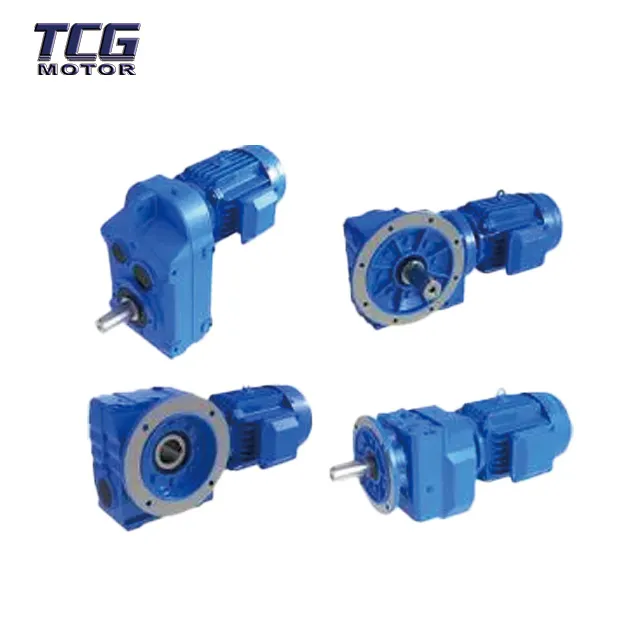
In addition to our engine gantry cranes, we also offer a range of related products that can enhance the performance of cranes in high - altitude operations. For example, the Tower Crane Hoist Motor is a high - performance motor designed for tower cranes, which are often used in conjunction with gantry cranes in high - altitude construction. The 75kw Crane Motor provides sufficient power for medium - sized lifting tasks, and the 3 - phase Jib Ac Motor is suitable for jib cranes used in high - altitude operations.
Conclusion
In conclusion, an engine gantry crane can be a valuable asset in high - altitude operations. With proper design, powerful engines, and comprehensive safety features, our cranes can meet the challenges of working at significant heights. While there are limitations and challenges, the advantages of using an engine gantry crane, such as high lifting capacity, flexibility, and independence from the power grid, make it a viable option for many high - altitude projects.
If you are considering using an engine gantry crane for your high - altitude operation, we invite you to contact us for more information. Our team of experts can provide detailed technical specifications, cost estimates, and customized solutions based on your specific requirements. Let's discuss how our engine gantry cranes can contribute to the success of your project.

References
- "Cranes and Lifting Equipment Handbook" by John P. Neale
- "High - Altitude Construction and Engineering" by Robert A. Peck
- Industry standards and guidelines for crane operations in high - altitude environments.