

How does the insulation class affect the performance and safety of a DC brushed small motor?
May 27, 2025
Hey there! As a supplier of DC brushed small motors, I've seen firsthand how the insulation class can have a huge impact on both the performance and safety of these motors. So, let's dive right in and talk about what insulation class is and how it affects our little motors.
First off, what's insulation class? In simple terms, it's a way to classify the materials used for insulating the windings in an electric motor according to their ability to withstand heat. There are several insulation classes, like Class A, Class E, Class B, Class F, and Class H. Each class has a specific maximum temperature limit that the insulation materials can handle over a long period without breaking down.
Let's start with how insulation class affects the performance of a DC brushed small motor. The temperature of a motor during operation is a crucial factor. If the motor gets too hot, it can cause all sorts of problems. For example, a motor with a low - grade insulation class (like Class A, which has a relatively low maximum temperature rating of around 105°C) might overheat quickly when it's working under heavy loads. When the motor overheats, the resistance of the windings increases. This means that more energy is wasted as heat, and the motor becomes less efficient. It might also lead to a drop in torque output, which is a big deal if you need the motor to do some serious work.
On the other hand, a motor with a higher insulation class, say Class F (with a maximum temperature rating of about 155°C), can handle more heat. This allows the motor to operate at higher power levels for longer periods without overheating. It can maintain a more stable performance, with consistent torque and speed. For applications where precision and reliability are key, like in some medical devices or high - end consumer electronics, a motor with a high - quality insulation class is a must - have.
Now, let's talk about safety. Safety is always a top priority, especially when it comes to electrical equipment. A motor with an appropriate insulation class helps prevent electrical hazards. If the insulation breaks down due to overheating, it can expose live wires, which is extremely dangerous. This could lead to electric shocks, short - circuits, and even fires.
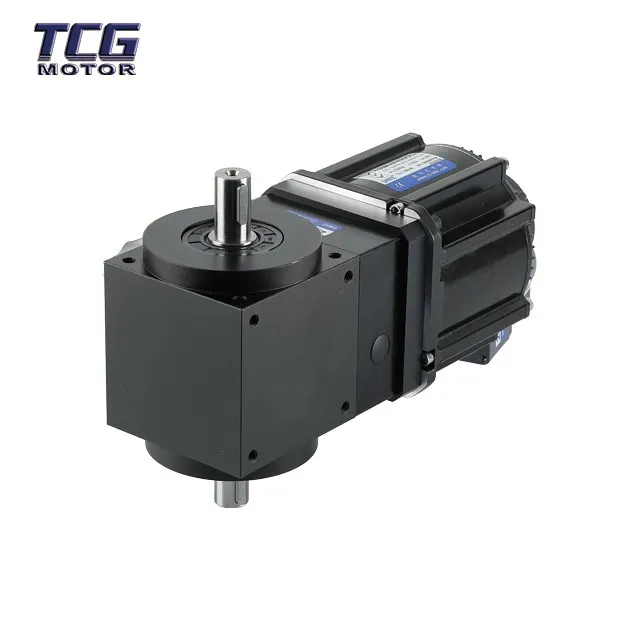

Imagine a situation where you're using a DC brushed small motor in a home appliance. If the insulation class is too low and the motor overheats, there's a real risk of electrical problems that could damage the appliance and pose a threat to the people using it. But if you choose a motor with a higher insulation class, you're adding an extra layer of protection. The insulation can withstand the heat generated during normal operation and even some unexpected spikes in temperature, reducing the chances of electrical failures and safety incidents.
Let's take a look at some real - world applications. In the automotive industry, DC brushed small motors are used in various components like power windows and windshield wipers. These motors need to be reliable and safe. A motor with a proper insulation class can handle the vibrations, temperature variations, and electrical stresses that come with being in a car. If the insulation isn't up to the task, it could lead to malfunctions, which might be inconvenient at best and dangerous at worst.
In the industrial sector, DC brushed small motors are often used in conveyor systems, small pumps, and automation equipment. Here, the motors need to run continuously for long periods. A high - insulation - class motor can keep up with the demand without overheating or failing, ensuring smooth operation of the entire production line.
As a supplier, I offer a range of DC brushed small motors with different insulation classes to meet the diverse needs of my customers. For those who are looking for cost - effective solutions for less demanding applications, we have motors with lower insulation classes. But for applications where performance and safety are non - negotiable, I highly recommend our motors with higher insulation classes.
If you're interested in learning more about our products, check out some of our other offerings. We have a DC Brushless Rolling Door Motor with Brake that's great for security and convenience in commercial and residential settings. Also, take a look at our Braked DC Brushless Motor, which provides precise control and reliable stopping power. And if you prefer traditional carbon - brushed motors, we have DC Carbon Brushed Motor options available.
If you think our motors could be a good fit for your project, don't hesitate to reach out. Whether you're an engineer designing a new product or a business owner looking to upgrade your equipment, I'm here to help you find the right motor with the appropriate insulation class. We can have a detailed discussion about your requirements, and I'll do my best to provide you with the best solution.
In conclusion, the insulation class of a DC brushed small motor is a critical factor that can't be overlooked. It directly impacts the motor's performance, efficiency, and most importantly, safety. By choosing the right insulation class, you can ensure that your motor operates smoothly, lasts longer, and keeps you and your equipment safe. So, next time you're in the market for a DC brushed small motor, make sure to consider the insulation class.
References
- "Electric Motor Handbook"
- Industry reports on DC motor applications and safety standards