

How to repair a DC motor?
May 27, 2025
Repairing a DC motor can seem like a daunting task, but with the right knowledge and tools, it can be a manageable process. As a DC motor supplier, I've seen my fair share of motors in need of repair, and I'm here to guide you through the steps to get your motor up and running again.
Understanding the Basics of a DC Motor
Before we dive into the repair process, it's essential to understand the basic components of a DC motor. A typical DC motor consists of an armature, a commutator, brushes, a stator, and a housing. The armature is the rotating part of the motor, while the stator is the stationary part. The commutator and brushes work together to ensure that the electrical current flows in the right direction to keep the motor rotating.
Tools and Materials You'll Need
To repair a DC motor, you'll need a few essential tools and materials. Here's a list of what you'll need:
- Screwdrivers: A set of Phillips and flathead screwdrivers will be necessary to remove the motor housing and access the internal components.
- Pliers: Pliers will come in handy for removing and installing small parts, such as wires and clips.
- Multimeter: A multimeter is used to measure electrical current, voltage, and resistance. It's an essential tool for diagnosing electrical problems in the motor.
- Replacement Parts: Depending on the issue with your motor, you may need to replace certain parts, such as brushes, bearings, or the armature. Make sure to have the appropriate replacement parts on hand before you start the repair process.
Step-by-Step Guide to Repairing a DC Motor
Now that you have a basic understanding of the components of a DC motor and the tools you'll need, let's walk through the step-by-step process of repairing a DC motor.
Step 1: Safety First
Before you start working on the motor, make sure to disconnect it from the power source to avoid any electrical shocks. Also, wear appropriate safety gear, such as gloves and safety glasses, to protect yourself from any potential hazards.
Step 2: Remove the Motor Housing
Use the screwdrivers to remove the screws holding the motor housing in place. Carefully remove the housing to expose the internal components of the motor.
Step 3: Inspect the Brushes
The brushes are one of the most common parts to wear out in a DC motor. Inspect the brushes for signs of wear, such as uneven surfaces or excessive length. If the brushes are worn out, they will need to be replaced. To replace the brushes, use the pliers to remove the old brushes and install the new ones. Make sure to align the brushes correctly with the commutator.
Step 4: Check the Commutator
The commutator is the part of the motor that makes contact with the brushes. Inspect the commutator for signs of damage, such as scratches or burns. If the commutator is damaged, it may need to be resurfaced or replaced. To resurface the commutator, use a fine-grit sandpaper to gently sand the surface until it is smooth. If the damage is severe, you may need to replace the commutator.
Step 5: Examine the Armature
The armature is the rotating part of the motor. Inspect the armature for signs of damage, such as broken wires or short circuits. Use the multimeter to test the armature for continuity. If the armature is damaged, it will need to be replaced.
Step 6: Check the Bearings
The bearings are responsible for supporting the armature and allowing it to rotate smoothly. Inspect the bearings for signs of wear or damage, such as excessive play or noise. If the bearings are worn out, they will need to be replaced. To replace the bearings, use a bearing puller to remove the old bearings and install the new ones.
Step 7: Reassemble the Motor
Once you have completed all the necessary repairs, it's time to reassemble the motor. Carefully place the armature back into the stator and align it correctly. Reinstall the brushes and the commutator, making sure they are properly seated. Replace the motor housing and secure it with the screws.
Step 8: Test the Motor
After reassembling the motor, reconnect it to the power source and test it to make sure it is working properly. Listen for any unusual noises or vibrations, and check the motor's speed and torque. If the motor is not working correctly, you may need to go back and double-check your repairs.
Common DC Motor Problems and Solutions
Here are some common DC motor problems and their solutions:

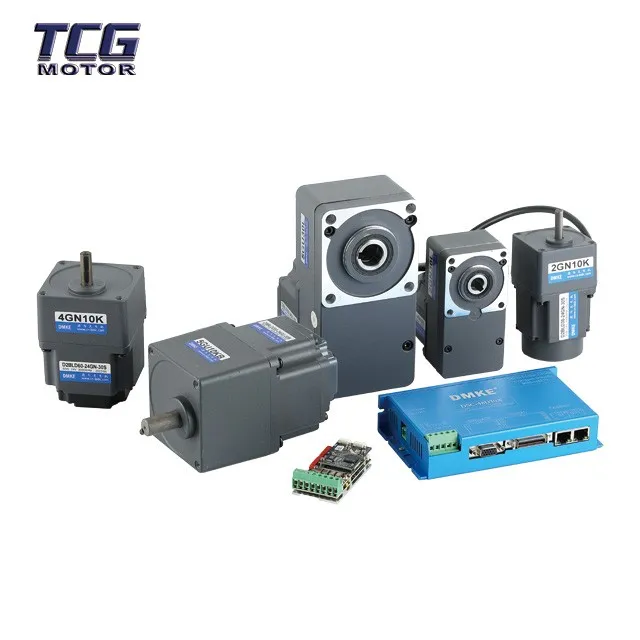
- Motor Not Starting: If the motor is not starting, check the power supply to make sure it is working properly. Also, check the brushes and the commutator for signs of wear or damage. If the brushes are worn out, replace them. If the commutator is damaged, it may need to be resurfaced or replaced.
- Motor Overheating: If the motor is overheating, it may be due to a variety of factors, such as a clogged air vent, a faulty cooling fan, or an overloaded motor. Check the air vent to make sure it is clear, and make sure the cooling fan is working properly. If the motor is overloaded, reduce the load or replace the motor with a more powerful one.
- Motor Making Noise: If the motor is making noise, it may be due to a worn-out bearing or a loose part. Inspect the bearings for signs of wear or damage, and tighten any loose parts. If the bearings are worn out, replace them.
Types of DC Motors We Supply
As a DC motor supplier, we offer a wide range of DC motors to meet the needs of our customers. Some of the types of DC motors we supply include:
- Braked DC Brushless Motor: These motors are designed with a brake mechanism to provide quick and reliable stopping power. They are commonly used in applications where precise control and stopping are required.
- Low RPM DC Brushed Motor: These motors are designed to operate at low speeds and are ideal for applications where slow and steady movement is required. They are commonly used in robotics, automation, and other precision applications.
- DC Brushless Rolling Door Motor with Brake: These motors are specifically designed for use in rolling doors and provide smooth and reliable operation. They are equipped with a brake mechanism to ensure safe and secure stopping.
Contact Us for Your DC Motor Needs
If you're in the market for a DC motor or need assistance with motor repair, we're here to help. Our team of experts has extensive knowledge and experience in the field of DC motors and can provide you with the best solutions for your specific needs. Whether you're looking for a standard motor or a custom-designed solution, we have the expertise and resources to meet your requirements.
Don't hesitate to contact us for more information or to discuss your DC motor needs. We look forward to working with you and helping you find the perfect motor for your application.
References
- "Electric Motors and Control Systems" by Stephen L. Herman
- "DC Motors: Principles, Controls, and Troubleshooting" by Robert L. Boylestad
- "Motor Repair Manual" by the Electric Apparatus Service Association