

How to ensure the proper alignment of a Liner Conveyor Motor?
Dec 10, 2025
Hey there! As a supplier of Liner Conveyor Motors, I've seen firsthand how crucial proper alignment is for these motors. A misaligned motor can lead to all sorts of problems, like increased wear and tear, reduced efficiency, and even motor failure. So, in this blog post, I'm gonna share some tips on how to ensure the proper alignment of a Liner Conveyor Motor.
Why Proper Alignment Matters
Before we dive into the how-to, let's quickly talk about why proper alignment is so important. When a Liner Conveyor Motor is misaligned, it creates extra stress on the motor's bearings, shafts, and couplings. This extra stress can cause premature wear and tear, which means you'll have to replace parts more often. It can also reduce the motor's efficiency, which means you'll end up using more energy to run the conveyor. And in the worst-case scenario, a severely misaligned motor can fail completely, which can shut down your production line and cost you a lot of money.
Tools You'll Need
To ensure the proper alignment of a Liner Conveyor Motor, you'll need a few tools. Here's what you'll need:
- Straightedge: A straightedge is a long, flat piece of metal or plastic that you can use to check the alignment of the motor and the conveyor.
- Feeler gauges: Feeler gauges are thin strips of metal that you can use to measure the gap between the motor and the conveyor.
- Dial indicators: Dial indicators are precision instruments that you can use to measure the alignment of the motor and the conveyor with high accuracy.
- Shims: Shims are thin pieces of metal or plastic that you can use to adjust the height and position of the motor.
Step-by-Step Guide to Aligning a Liner Conveyor Motor
Now that you have the tools you need, let's get started on aligning your Liner Conveyor Motor. Here's a step-by-step guide:
Step 1: Prepare the Motor and the Conveyor
Before you start aligning the motor, you need to make sure that the motor and the conveyor are clean and free of debris. You also need to make sure that the motor is properly mounted and secured to the conveyor.
Step 2: Check the Alignment of the Motor and the Conveyor
The first step in aligning the motor is to check the alignment of the motor and the conveyor using a straightedge. Place the straightedge across the motor and the conveyor, and check to see if there are any gaps between the straightedge and the motor or the conveyor. If there are gaps, you'll need to adjust the position of the motor to eliminate the gaps.
Step 3: Measure the Gap Between the Motor and the Conveyor
Once you've checked the alignment of the motor and the conveyor using a straightedge, you need to measure the gap between the motor and the conveyor using feeler gauges. Place the feeler gauges between the motor and the conveyor, and measure the gap at several points along the length of the motor. If the gap is not uniform, you'll need to adjust the position of the motor to make the gap uniform.
Step 4: Use Dial Indicators to Check the Alignment
After you've measured the gap between the motor and the conveyor using feeler gauges, you need to use dial indicators to check the alignment of the motor and the conveyor with high accuracy. Mount the dial indicators on the motor and the conveyor, and take readings at several points along the length of the motor. If the readings are not within the specified tolerance, you'll need to adjust the position of the motor to bring the readings within the tolerance.
Step 5: Adjust the Position of the Motor
Once you've checked the alignment of the motor and the conveyor using dial indicators, you need to adjust the position of the motor to bring the alignment within the specified tolerance. You can use shims to adjust the height and position of the motor. Place the shims under the motor feet, and adjust the position of the motor until the alignment is within the tolerance.
Step 6: Recheck the Alignment
After you've adjusted the position of the motor, you need to recheck the alignment using dial indicators to make sure that the alignment is still within the specified tolerance. If the alignment is not within the tolerance, you'll need to make further adjustments to the position of the motor.
Step 7: Secure the Motor
Once you've verified that the alignment is within the specified tolerance, you need to secure the motor to the conveyor using bolts or other fasteners. Make sure that the bolts are tightened to the specified torque to prevent the motor from moving.
Tips for Maintaining Proper Alignment
Now that you've aligned your Liner Conveyor Motor, it's important to maintain proper alignment to prevent problems from occurring in the future. Here are some tips for maintaining proper alignment:
- Regularly inspect the motor and the conveyor: Regularly inspect the motor and the conveyor for signs of wear and tear, such as loose bolts, worn bearings, or misaligned couplings. If you notice any problems, address them immediately to prevent further damage.
- Keep the motor and the conveyor clean: Keep the motor and the conveyor clean to prevent debris from accumulating and causing problems. Use a clean, dry cloth to wipe down the motor and the conveyor regularly.
- Use the right lubrication: Use the right lubrication for the motor and the conveyor to prevent friction and wear. Follow the manufacturer's recommendations for lubrication type and frequency.
- Avoid overloading the motor: Avoid overloading the motor by running the conveyor at a speed or capacity that is higher than the motor's rated capacity. Overloading the motor can cause it to overheat and fail.
Conclusion
Proper alignment is essential for the reliable and efficient operation of a Liner Conveyor Motor. By following the steps outlined in this blog post and maintaining proper alignment, you can prevent problems from occurring and extend the life of your motor. If you have any questions or need further assistance with aligning your Liner Conveyor Motor, don't hesitate to contact us. We're here to help you keep your conveyor running smoothly.

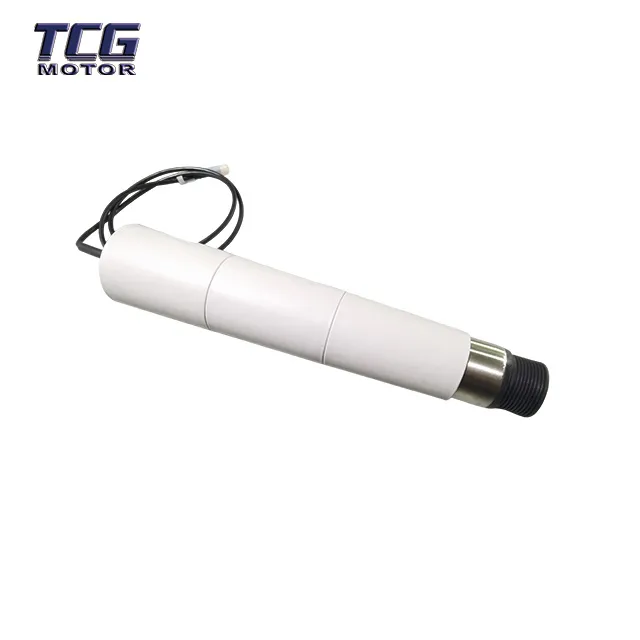
If you're in the market for a new Liner Conveyor Motor, we also offer a wide range of options, including DC Series Conveyor Motor and V-belt Conveyor Motor. Our motors are designed to provide reliable performance and long service life. If you're interested in learning more about our products or discussing your specific needs, feel free to reach out to us for a procurement discussion.
References
- "Industrial Motor Installation and Alignment Guide." Motor Manufacturer's Handbook.
- "Conveyor System Maintenance Best Practices." Conveyor Industry Journal.