

How to obtain the certification for a crane motor?
Nov 05, 2025
As a seasoned supplier of crane motors, I understand the significance of obtaining the necessary certifications for these crucial pieces of equipment. Certification not only validates the quality and safety of our products but also instills confidence in our customers. In this blog post, I will share some insights on how to obtain the certification for a crane motor.
Understanding the Importance of Certification
Before delving into the certification process, it's essential to grasp why certification is so vital for crane motors. First and foremost, certification ensures that the motor meets the industry standards and regulations. This is crucial for the safety of the operators and the overall reliability of the crane. A certified motor is less likely to malfunction, reducing the risk of accidents and downtime.
Secondly, certification can enhance the marketability of our products. Customers are more likely to choose a certified crane motor over a non - certified one, as it provides an assurance of quality. It also helps us to comply with international trade requirements, opening up new markets for our business.
Types of Certifications
There are several types of certifications that a crane motor may need to obtain, depending on its intended use and the market it is targeting.
Safety Certifications
Safety is of utmost importance when it comes to crane motors. Certifications such as CE (Conformité Européene) indicate that the motor complies with the health, safety, and environmental protection standards set by the European Union. To obtain a CE certification, the motor must pass a series of tests, including electrical safety, mechanical safety, and electromagnetic compatibility tests.
Another important safety certification is UL (Underwriters Laboratories) in the United States. UL certification ensures that the motor meets the safety standards established by UL, which are widely recognized in North America.
Performance Certifications
Performance certifications focus on the motor's technical specifications and capabilities. For example, the International Electrotechnical Commission (IEC) standards define the performance requirements for electrical equipment, including crane motors. Motors that meet IEC standards are considered to have a certain level of performance and reliability.
The Certification Process
1. Research and Planning
The first step in obtaining certification is to research the specific requirements for the target market and the type of crane motor. Different certifications may have different criteria, so it's crucial to understand what is needed. We need to identify the relevant standards and regulations, and determine which certification bodies are recognized in the market.
For instance, if we are targeting the European market, we need to familiarize ourselves with the CE marking requirements. We can consult with industry associations, regulatory authorities, or certification bodies to get detailed information.

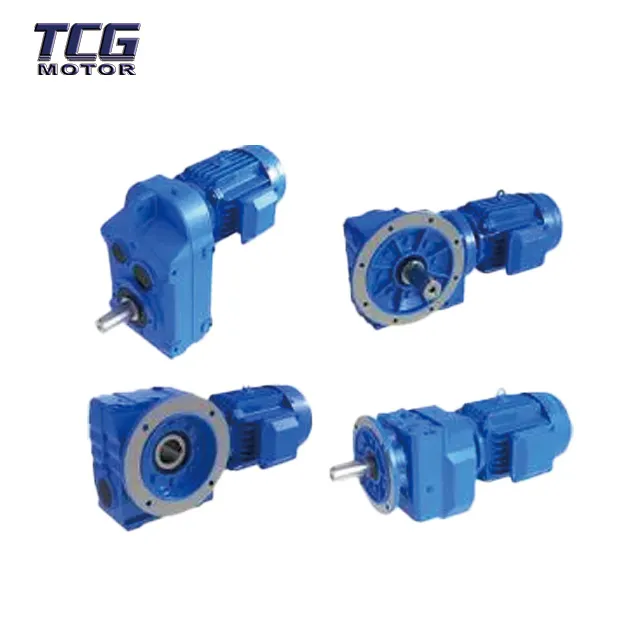
2. Product Design and Development
Once we have a clear understanding of the certification requirements, we need to ensure that our crane motor design meets these standards. This may involve making modifications to the motor's electrical and mechanical components, improving its safety features, and enhancing its performance.
During the design phase, we should also keep detailed documentation of the design process, including design specifications, test results, and any changes made. This documentation will be essential during the certification application process.
3. Testing
Testing is a critical part of the certification process. We need to conduct a series of tests on the crane motor to ensure that it meets the required standards. These tests may include:
- Electrical tests: Measuring parameters such as voltage, current, power, and insulation resistance to ensure the motor's electrical safety and performance.
- Mechanical tests: Checking the motor's mechanical components, such as bearings, shafts, and gears, for proper operation and durability.
- Safety tests: Evaluating the motor's safety features, such as overload protection, short - circuit protection, and emergency stop functions.
We can either conduct these tests in our in - house testing facilities if they are accredited, or we can send the motor to an independent testing laboratory recognized by the certification body.
4. Certification Application
After the motor has passed all the necessary tests, we can proceed with the certification application. We need to submit the test reports, design documentation, and other relevant information to the certification body. The certification body will review the application and may conduct an on - site inspection of our manufacturing facilities to ensure that the production process is consistent with the standards.
Once the application is approved, the motor will be issued with the relevant certification. We can then display the certification mark on the motor and its packaging, which will enhance its marketability.
Case Studies of Our Crane Motors
We offer a wide range of crane motors, each with its own unique features and applications. For example, our Eot Crane Motor is designed for overhead traveling cranes. It has been engineered to provide high - torque performance and reliable operation. We have obtained CE and UL certifications for this motor, which has helped us to expand our market share in Europe and North America.
Our Strong Gear Crane Gear Motor is another popular product. It is known for its robust gear system and high - efficiency operation. We have ensured that this motor meets the IEC standards, which has made it a preferred choice for many customers in the industrial sector.
The 3 - phase Jib Ac Motor is specifically designed for jib cranes. It offers smooth and precise control, and has passed all the necessary safety and performance tests to obtain the relevant certifications.
Conclusion
Obtaining certification for a crane motor is a complex but necessary process. It requires careful planning, product design, testing, and application. By obtaining the right certifications, we can ensure the quality and safety of our products, enhance their marketability, and expand our business opportunities.
If you are in the market for high - quality, certified crane motors, we would be delighted to discuss your requirements. Our team of experts can provide you with detailed information about our products and the certification process. Contact us today to start a procurement discussion and find the perfect crane motor for your needs.
References
- International Electrotechnical Commission (IEC) standards
- European Union CE marking regulations
- Underwriters Laboratories (UL) standards