

What are the hygiene requirements for a pump gear motor in a food - grade application?
Jun 30, 2025
Hey there! As a supplier of pump gear motors, I've had my fair share of dealing with different applications. One area that always stands out in terms of strict requirements is the food - grade application. In this blog, I'll be diving deep into the hygiene requirements for a pump gear motor in a food - grade application.
First off, let's talk about why hygiene is such a big deal in food - grade applications. When it comes to food processing, any contamination can lead to serious health risks for consumers. That's why every piece of equipment, including pump gear motors, has to meet certain hygiene standards.
Material Selection
The materials used in the construction of a pump gear motor for food - grade applications are crucial. The motor should be made from materials that are non - toxic, corrosion - resistant, and easy to clean. Stainless steel is a popular choice. It's durable, doesn't react with food products, and can withstand the harsh cleaning agents used in food processing facilities.
Plastics can also be used, but they need to be food - grade plastics. These plastics are specifically designed to be safe for contact with food. They are resistant to chemicals and can be easily sanitized. For example, polypropylene is often used in food - grade applications because of its chemical resistance and low moisture absorption.
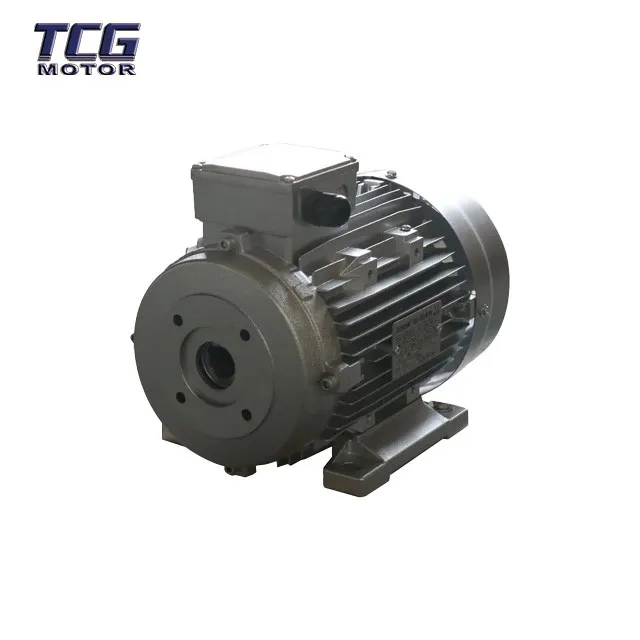
We offer a range of pump gear motors made from high - quality materials. Our Car Washer Hollow Shaft Motor and Carbon Steel Cast Hollow Shaft Motor are designed with materials that can be adapted for food - grade applications with the right modifications.

Surface Finish
The surface finish of the pump gear motor is another important factor. A smooth surface finish is essential as it prevents the accumulation of food particles and bacteria. Rough surfaces can have tiny crevices where food can get trapped, providing a breeding ground for microorganisms.
Electropolishing is a common method used to achieve a smooth surface finish. It removes surface impurities and creates a mirror - like finish on the metal parts of the motor. This not only makes the motor easier to clean but also improves its corrosion resistance.
Sealing and Gaskets
Sealing is vital to prevent any leakage of lubricants or other contaminants into the food product. The seals and gaskets used in the pump gear motor should be made from food - grade materials. These materials are resistant to high temperatures, chemicals, and abrasion.
Silicone rubber is a popular choice for seals in food - grade applications. It has excellent heat resistance and is non - toxic. It can also maintain its flexibility over a wide range of temperatures, ensuring a tight seal.
Our Concrete Mixer Hollow Shaft Motor has well - designed sealing systems that can be optimized for food - grade applications. The seals are carefully selected to prevent any contamination risks.
Lubrication
Lubrication is necessary for the smooth operation of the pump gear motor, but in food - grade applications, the lubricants used must be food - grade. These lubricants are specifically formulated to be safe for incidental contact with food. They are made from non - toxic ingredients and have low volatility.
Food - grade lubricants are often made from synthetic oils or white mineral oils. They are resistant to oxidation and can withstand high temperatures. They also have excellent anti - wear properties, ensuring the long - term performance of the motor.
Cleaning and Sanitization
Regular cleaning and sanitization are a must for pump gear motors in food - grade applications. The motor should be designed in a way that allows for easy disassembly and cleaning. All parts should be accessible so that they can be thoroughly cleaned.
Cleaning agents used should be approved for use in food processing facilities. These agents are designed to remove food residues, grease, and bacteria without leaving any harmful residues. Sanitization is usually done after cleaning to kill any remaining microorganisms.
Hot water, steam, or chemical sanitizers can be used for sanitization. The temperature and duration of the sanitization process should be carefully controlled to ensure its effectiveness.
Design Considerations
The overall design of the pump gear motor should minimize areas where food can accumulate. For example, the motor should have a simple and streamlined design without any unnecessary protrusions or cavities.
The mounting of the motor should also be considered. It should be easy to install and remove for cleaning purposes. The motor should be mounted in a way that allows for proper drainage to prevent the pooling of water or other liquids.
Regulatory Compliance
Food - grade applications are heavily regulated, and pump gear motors need to comply with various regulations. In the United States, the Food and Drug Administration (FDA) has strict guidelines for equipment used in food processing. In Europe, the European Food Safety Authority (EFSA) sets the standards.
Our pump gear motors are designed with regulatory compliance in mind. We stay up - to - date with the latest regulations and ensure that our products meet all the necessary requirements.
Testing and Certification
To ensure that our pump gear motors meet the hygiene requirements for food - grade applications, we conduct rigorous testing. We test the materials for their food - grade suitability, the seals for their effectiveness, and the lubricants for their safety.
We also obtain relevant certifications for our products. Certifications such as NSF (National Sanitation Foundation) certification are a sign that our products meet the highest hygiene standards.
If you're in the market for a pump gear motor for a food - grade application, we'd love to talk to you. We have the expertise and the products to meet your needs. Whether you need a motor for a small - scale food processing operation or a large - scale industrial facility, we can provide you with the right solution. Reach out to us for more information and let's start a conversation about your specific requirements.
References
- "Food - Grade Lubricants: A Guide to Selection and Use" by the National Lubricating Grease Institute
- "Regulatory Requirements for Food Processing Equipment" by the Food and Drug Administration
- "Surface Finishes for Food - Grade Equipment" by the American Society of Mechanical Engineers