

What is the voltage requirement for a Liner Conveyor Motor?
Jan 14, 2026
When it comes to running a Liner Conveyor Motor efficiently, one of the most important things to understand is the voltage requirement. As a Liner Conveyor Motor supplier, I've had my fair - share of chats with customers who are scratching their heads over this aspect. So, let's break it down in simple terms.
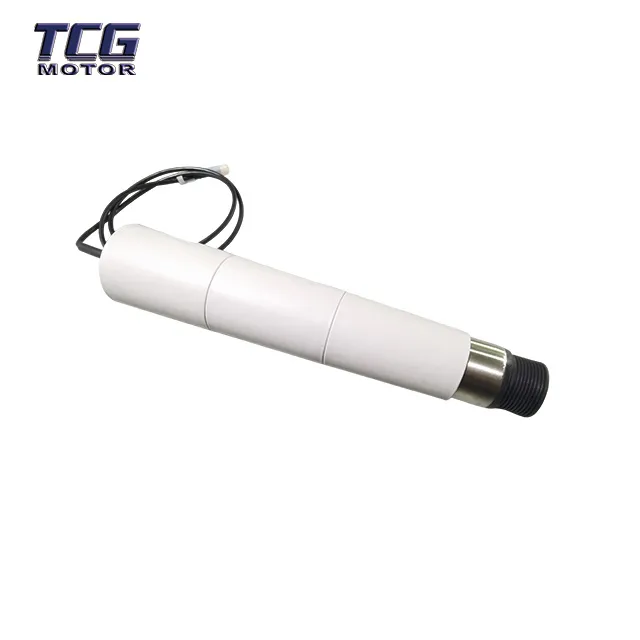
First off, what exactly is a Liner Conveyor Motor? Well, it's a key component in conveyor systems. Conveyor systems are used in a whole bunch of industries, from manufacturing to food processing. A Liner Conveyor Motor provides the power needed to move the conveyor belt and transport materials from one point to another. You can learn more about it on our Liner Conveyor Motor page.
Factors Influencing Voltage Requirement
The voltage requirement for a Liner Conveyor Motor isn't set in stone. It depends on several factors.
Motor Size and Power
Bigger motors generally need higher voltages. If you've got a large - scale conveyor system that's moving heavy loads over long distances, you'll need a more powerful motor. And this powerful motor will require a higher voltage to operate properly. For instance, a small - scale conveyor used in a light - duty workshop might run on a lower voltage, say 110V or 230V. But a massive conveyor in a large manufacturing plant could need 480V or even more.
Conveyor Load
The amount of weight the conveyor has to carry also plays a huge role. If your conveyor is constantly moving heavy items like large machinery parts or bulk materials, the motor has to work harder. This means it needs more power, and thus, a higher voltage. On the other hand, if it's just transporting small, lightweight products like plastic parts or paper, a lower - voltage motor can do the job.
Operating Speed
How fast you want the conveyor to move is another consideration. A conveyor that needs to run at high speeds requires a motor with more power. And as you might guess, more power usually means a higher voltage. If you want a slow - moving conveyor for a meticulous sorting process, you can get away with a motor running on a lower voltage.
Common Voltage Levels for Liner Conveyor Motors
There are a few common voltage levels that you'll see quite often in Liner Conveyor Motors.
110V and 230V
These are the standard household and small - business voltages in many countries. They're used for small - scale conveyor systems, like those in small workshops, kiosks, or light - assembly lines. These motors are relatively inexpensive and easy to install, as they can be plugged into regular electrical outlets.
480V
This is a common industrial voltage. It's used for medium to large - sized conveyor systems in factories, warehouses, and distribution centers. Motors running on 480V can handle heavier loads and higher speeds. They're more powerful but also more complex to install and maintain.
Higher Voltages
In some large - scale industrial applications, you might see motors running on even higher voltages, like 600V or more. These are used in very heavy - duty conveyor systems, such as those in mining or large - scale manufacturing plants where the loads are extremely heavy and the distances are long.
Importance of Meeting the Right Voltage Requirement
Getting the voltage right is super important. If you use a voltage that's too low, the motor won't be able to generate enough power. This can lead to the conveyor moving slowly, or in some cases, not moving at all. The motor might also overheat, which can damage it and reduce its lifespan.
On the other hand, if you use a voltage that's too high, it can cause the motor to draw too much current. This can lead to electrical arcing, overheating, and even a complete motor failure. It can also be a safety hazard, as it increases the risk of electrical fires.
Other Related Conveyor Motors
Apart from Liner Conveyor Motors, we also have other types of motors for conveyor systems. For example, the V - belt Conveyor Motor is a popular choice. It uses a V - belt to transfer power from the motor to the conveyor belt. This type of motor is known for its smooth operation and high efficiency.
Another option is the Double Shaft Conveyor Motor. It has two shafts, which allows it to drive multiple conveyor belts or perform more complex operations. These motors are often used in more advanced conveyor systems.
Making the Right Choice
As a supplier, I always recommend that customers carefully assess their needs before choosing a Liner Conveyor Motor and its voltage. Consider the size of your conveyor, the load it will carry, and the speed at which you want it to operate. If you're not sure, don't hesitate to reach out. Our team of experts can help you figure out the best motor and voltage combination for your specific application.
If you're in the market for a Liner Conveyor Motor or any other conveyor - related motors, we're here to assist you. Whether you need a small - scale motor for a simple project or a large - scale, high - voltage motor for an industrial application, we've got you covered. Contact us to start a conversation about your requirements and let's work together to find the perfect solution for your conveyor system.

References
- General knowledge from years of experience in the conveyor motor industry.
- Industry - standard electrical engineering textbooks on motor operation and voltage requirements.