

What is the speed control resolution of a Liner Conveyor Motor?
Jul 25, 2025
Hey there! As a supplier of Liner Conveyor Motors, I often get asked about the speed control resolution of these motors. So, I thought I'd take a moment to break it down for you.
First off, let's talk about what speed control resolution actually means. In simple terms, it's the smallest change in speed that a motor can make. It's like the smallest step you can take when you're walking. The finer the step, the more precise your movement can be. Similarly, a higher speed control resolution means that the motor can adjust its speed more precisely.
Now, why is this important for a Liner Conveyor Motor? Well, in a conveyor system, you often need to move products at a very specific speed. Whether it's for sorting, packaging, or any other process, precision is key. If the motor can't adjust its speed precisely, you might end up with products moving too fast or too slow, which can cause all sorts of problems.
So, what factors affect the speed control resolution of a Liner Conveyor Motor? There are a few things to consider.
Motor Design
The design of the motor itself plays a big role. Some motors are built with more advanced control systems that allow for finer speed adjustments. For example, a motor with a high - quality encoder can provide more accurate feedback about the motor's speed, which in turn allows for more precise control.
Control System
The control system is another crucial factor. Modern control systems use advanced algorithms to regulate the motor's speed. These algorithms can analyze the feedback from the motor and make very small adjustments to keep the speed within a narrow range. A well - designed control system can significantly improve the speed control resolution.
Power Supply
The stability of the power supply also affects the speed control resolution. If the power supply fluctuates, it can cause the motor's speed to vary. A stable power source, such as a regulated DC power supply, can help maintain a more consistent speed and improve the resolution.
Let's take a closer look at some of the different types of Liner Conveyor Motors and how their speed control resolutions might vary.
Double Shaft Conveyor Motor
The Double Shaft Conveyor Motor is a popular choice for many conveyor systems. These motors are designed to provide more power and torque, which can be useful for moving heavy loads. When it comes to speed control resolution, the double - shaft design can sometimes pose a challenge. Since there are two shafts to control, the control system needs to be more sophisticated to ensure that both shafts are rotating at the same speed with high precision. However, with the right control technology, these motors can achieve a relatively high speed control resolution.
V - belt Conveyor Motor
The V - belt Conveyor Motor uses a V - belt to transfer power from the motor to the conveyor. This type of motor is known for its simplicity and cost - effectiveness. In terms of speed control resolution, the V - belt can introduce some variability. The belt can stretch or slip, which can affect the motor's speed. However, modern V - belt motors often come with tensioning systems and advanced control algorithms to minimize these effects and improve the speed control resolution.
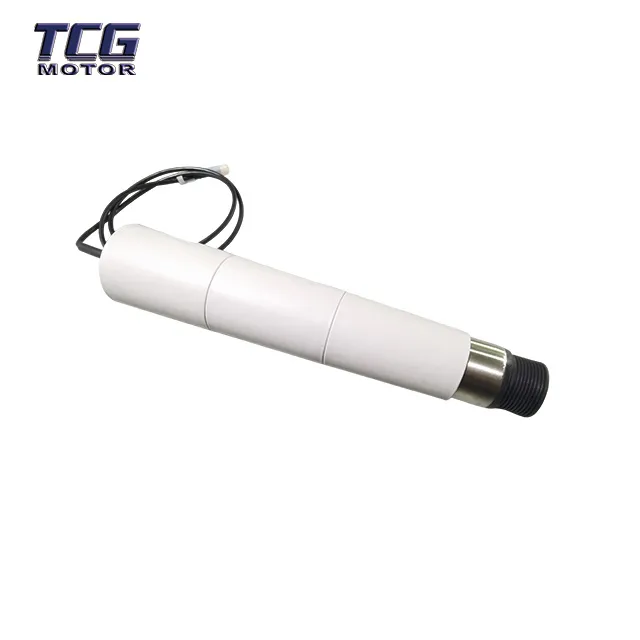
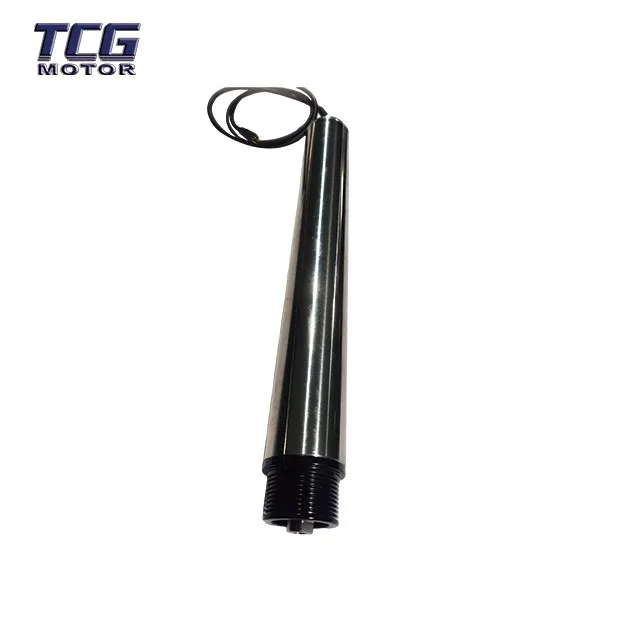
Liner Conveyor Motor
Our Liner Conveyor Motor is specifically designed for high - precision conveyor applications. These motors are equipped with state - of - the - art control systems and high - resolution encoders to ensure the highest level of speed control accuracy. We've spent a lot of time and effort in optimizing the design of these motors to achieve the best possible speed control resolution.
So, how do you measure the speed control resolution of a Liner Conveyor Motor? One common way is to look at the minimum speed increment. This is the smallest change in speed that the motor can make. For example, if a motor has a minimum speed increment of 0.1 RPM, it means that it can adjust its speed in steps of 0.1 RPM. A lower minimum speed increment indicates a higher speed control resolution.
Another way to measure it is by looking at the speed stability. A motor with high speed control resolution should be able to maintain a very stable speed over time, even when there are external disturbances such as changes in load or power supply fluctuations.
When choosing a Liner Conveyor Motor for your application, it's important to consider your specific requirements. If you need very precise speed control, you'll want to look for a motor with a high speed control resolution. However, you also need to balance this with other factors such as cost, power requirements, and maintenance.
If you're in the market for a Liner Conveyor Motor and want to learn more about our products, we'd love to hear from you. We can help you choose the right motor for your application and provide you with all the technical details you need. Whether you're a small business looking for a simple conveyor system or a large industrial operation in need of a high - performance solution, we've got you covered.
In conclusion, the speed control resolution of a Liner Conveyor Motor is an important factor that can significantly impact the performance of your conveyor system. By understanding the factors that affect it and choosing the right motor, you can ensure that your conveyor system operates smoothly and efficiently.
If you have any questions or want to start a conversation about purchasing a Liner Conveyor Motor, don't hesitate to reach out. We're here to help you make the best decision for your business.
References
- "Conveyor Motor Handbook", Industrial Motor Publishers
- "Advanced Control Systems for Conveyor Motors", Journal of Conveyor Technology