

Which is more suitable, a geared or non - geared conveyor roller motor?
Jul 11, 2025
Hey there! As a supplier of conveyor roller motors, I often get asked which type is more suitable: a geared or non - geared conveyor roller motor. Well, let's dive right into it and break down the differences to help you make an informed decision.
Understanding the Basics
First off, let's quickly understand what each type is. A geared conveyor roller motor has a gearbox attached to the motor. This gearbox helps to adjust the speed and torque of the motor according to the requirements of the conveyor system. On the other hand, a non - geared conveyor roller motor doesn't have a gearbox. It directly transfers the power from the motor to the conveyor roller.
Performance Factors
Speed and Torque
When it comes to speed and torque, geared motors have an edge. The gearbox allows for a wide range of speed and torque adjustments. If you need to move heavy loads slowly, you can use a gear ratio that increases the torque while reducing the speed. For example, in a warehouse where large and heavy pallets are being moved, a geared motor can handle the load with ease.
Non - geared motors, however, have a fixed speed and torque. They are great for applications where a constant, high - speed operation is required. For instance, in a food packaging line where products need to be moved quickly from one station to another, a non - geared motor can provide the necessary speed.
Energy Efficiency
Energy efficiency is a big deal these days, and both types have their pros and cons. Geared motors can be more energy - efficient when used in applications where the load varies. The ability to adjust the speed and torque means that the motor doesn't have to work harder than necessary. For example, if the conveyor is moving a light load, the motor can operate at a lower speed, consuming less energy.
Non - geared motors, on the other hand, are more energy - efficient when operating at a constant speed. Since there are no losses associated with a gearbox, the power transfer is more direct. In applications like a simple assembly line with a continuous flow of products, a non - geared motor can save energy.
Maintenance and Durability
Maintenance
Maintenance is an important factor to consider. Geared motors generally require more maintenance than non - geared motors. The gearbox has moving parts that need to be lubricated regularly, and the gears can wear out over time. This means more frequent inspections and potential replacement of parts.
Non - geared motors have fewer moving parts, which translates to less maintenance. They are relatively simple in design, and as long as the motor itself is in good condition, there are fewer things that can go wrong.
Durability
In terms of durability, it depends on the application. Geared motors are built to handle heavy loads and can last a long time if properly maintained. The gearbox helps to protect the motor from excessive stress by reducing the load on it.
Non - geared motors are also durable, but they may not be as suitable for heavy - duty applications. If the motor is constantly overloaded, it can overheat and fail prematurely.
Cost Considerations
Initial Cost
The initial cost of a geared motor is usually higher than that of a non - geared motor. The gearbox adds to the manufacturing cost, and the more complex design means a higher price tag.
Non - geared motors are more affordable upfront, making them a popular choice for budget - conscious projects.
Long - term Cost
When looking at the long - term cost, it's important to consider maintenance and energy consumption. As mentioned earlier, geared motors may require more maintenance, which can add to the cost over time. However, their energy - saving potential in certain applications can offset this cost.
Non - geared motors have lower maintenance costs, but if they are used in an application where they are not energy - efficient, the energy costs can add up.
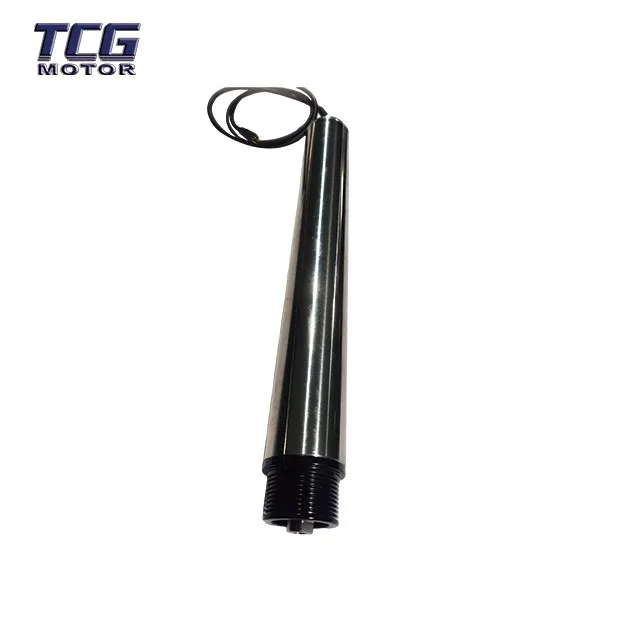

Applications
Geared Conveyor Roller Motors
Geared motors are ideal for applications where heavy loads need to be moved, such as in mining, construction, and heavy manufacturing. They are also suitable for conveyor systems that require precise speed control, like in a sorting facility where products need to be moved at different speeds depending on their size and weight. You can check out our AC Series Conveyor Motor for a great example of a high - performance geared motor.
Non - Geared Conveyor Roller Motors
Non - geared motors are perfect for applications where high - speed, constant - motion operation is required. They are commonly used in industries like food and beverage, pharmaceuticals, and light manufacturing. Our Double Shaft Conveyor Motor and V - belt Conveyor Motor are excellent options for such applications.
Making the Right Choice
So, which is more suitable, a geared or non - geared conveyor roller motor? The answer depends on your specific needs. If you need to handle heavy loads, require precise speed control, or have a variable load, a geared motor is the way to go. On the other hand, if you need a high - speed, constant - motion operation and are on a budget, a non - geared motor is a better choice.
As a conveyor roller motor supplier, I'm here to help you make the right decision. If you're still unsure, feel free to reach out and we can discuss your application in detail. Whether you're starting a new project or looking to upgrade your existing conveyor system, we have the expertise and the products to meet your needs. Contact us today to start the procurement process and let's find the perfect conveyor roller motor for you.
References
- "Conveyor Systems Handbook" by Conveyor Equipment Manufacturers Association
- "Industrial Motor Handbook" by various industry experts